Case Study: Hormona, the hormone wellness app
art direction, product strategy, branding, creative direction
-
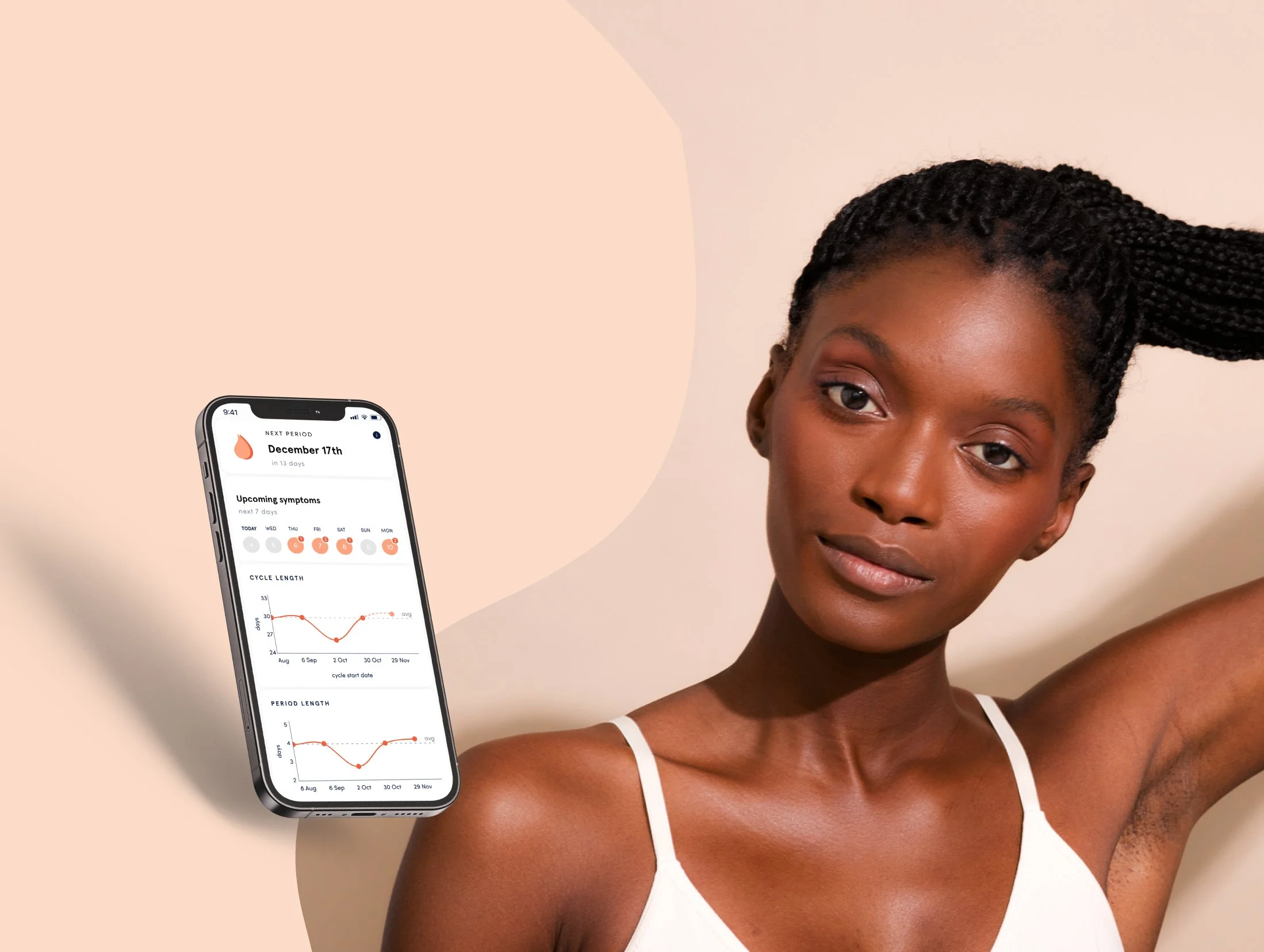
The Hormona founders came to me with a product idea - to build a hormone tracking app and validate a “premium feature” with consumers who would willingly pay a subscription fee for the premium feature.
-
I delivered a hormone tracking app with key requested consumer features and an iterated & tested premium feature offering ready for launch & justifiable for a subscription model pricing plan, ready to be approved by investors.
-
Officially launched to the public in 2022, Hormona is a wellness brand bringing a conscious cultural shift to the way women understand their bodies by delivering insights and recommendations based on hormone level fluxuations. Hormona aims to connect women to factual driven knowledge about their hormone cycles and offer nutritional, physical, sexual and therapeutical tailored support in the process.
Driven by the frustration of the lack of resources for women in the holistic and wellness space, the identity for Hormona was centered around comfort, safety, trust and security. A safe place for women to learn about their bodies and share information with the community. The brand wanted a natural, warm, and personable look and feel - one that would grow with the women it set out to serve.
-
I was the first designer and product owner on the project. I performed user research, product strategy, visual design exploration and delivered final screens into production for the founders and development agency.
The Process
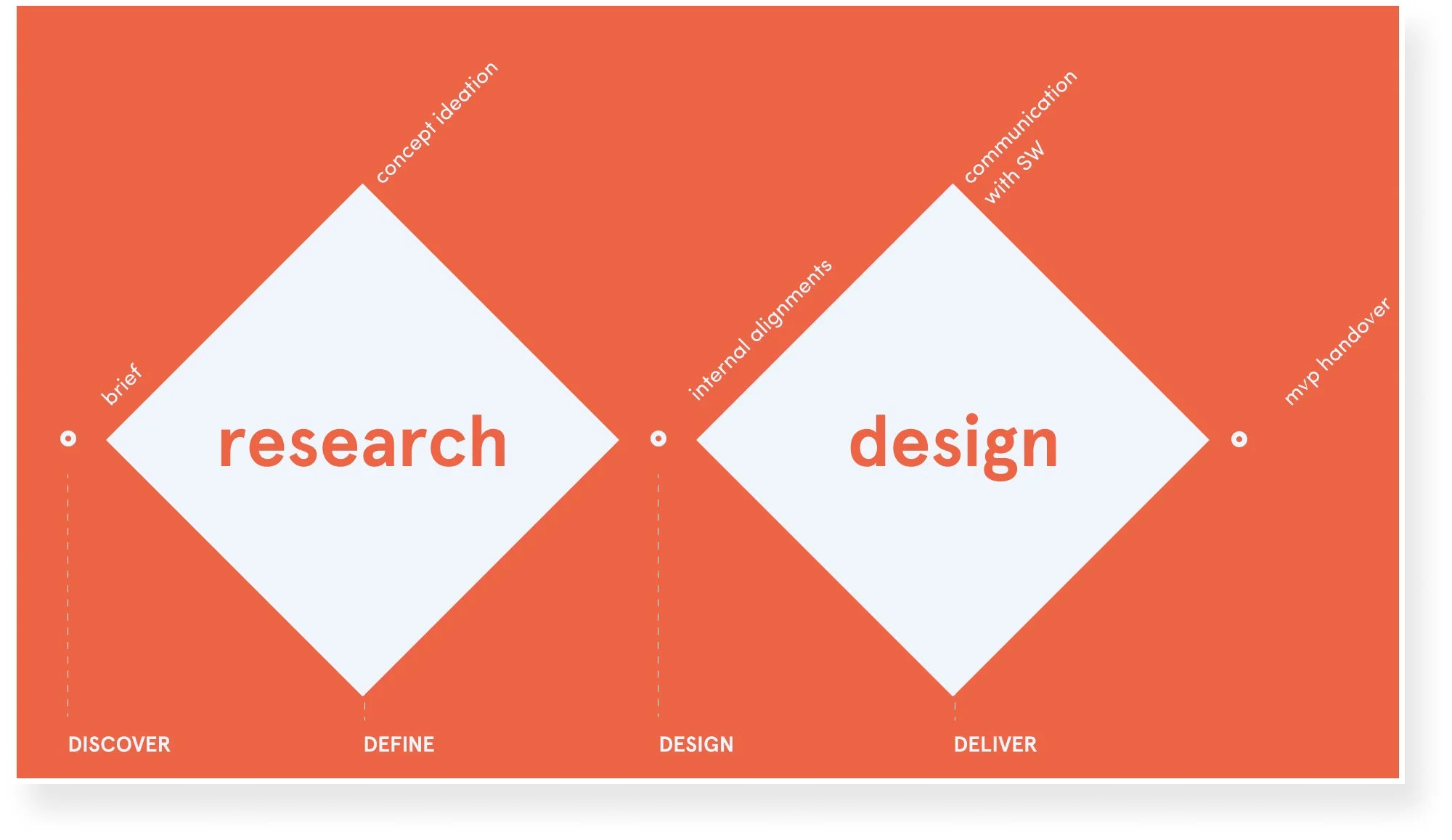
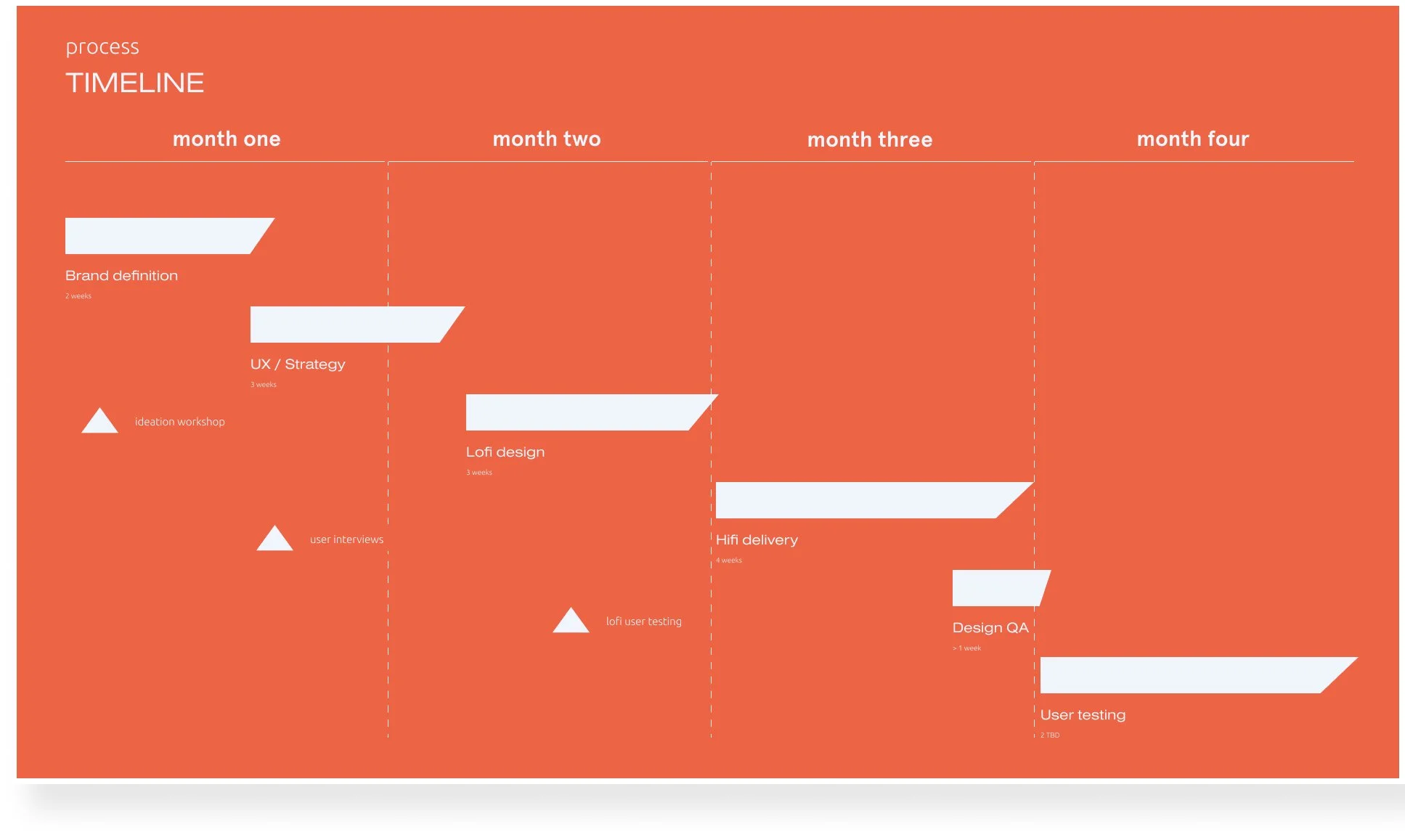
Below details the holistic process in building the first iteration of the Hormona app & marketing website, to its entry into the Slush 100 2021 contest, where it won 1st place.

Generative research: Consumer quantitative & qualitative testing
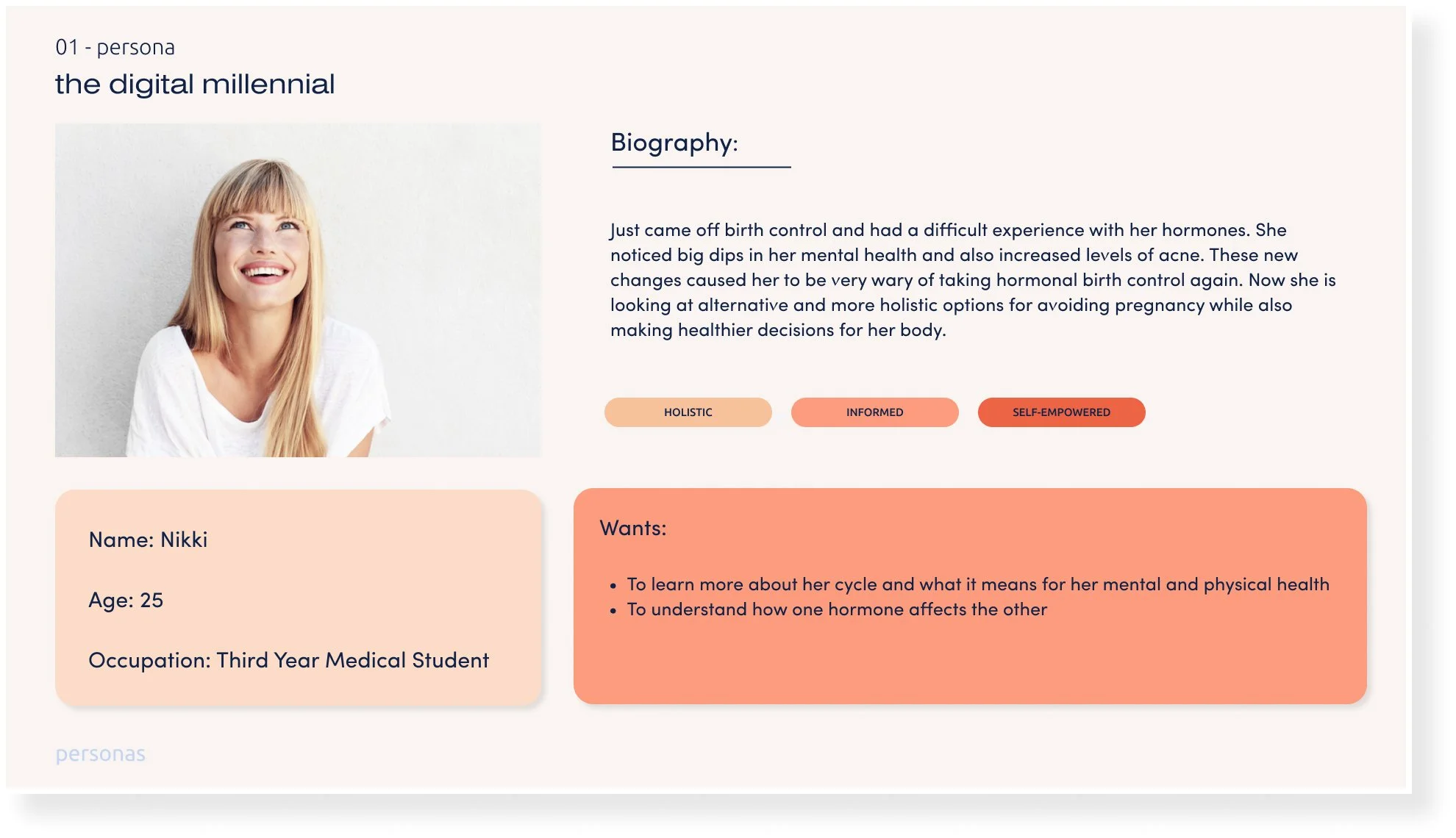
The first step of my involvement was to understand the current landscape of women’s Femtech (female technology) products. This resulted in a two part research endeavour: market and consumer research. I spoke to 10 women who could fit into the potential target demographic for Hormona, across the mid-twenties to post menopausal women age range. With a preprepared script in place, I formulated questions about these women’s demographics, wants, needs, pain points and levels of trust in a digital solution for tracking and offering tailored hormone health insights.

Quantitative Research
Fake door test via social media ad
Qualitative Research
10 Consumer interviews
Expected Outcome
Minimum Viable Product to launch with tested premium offering
Qualitative testing & persona building
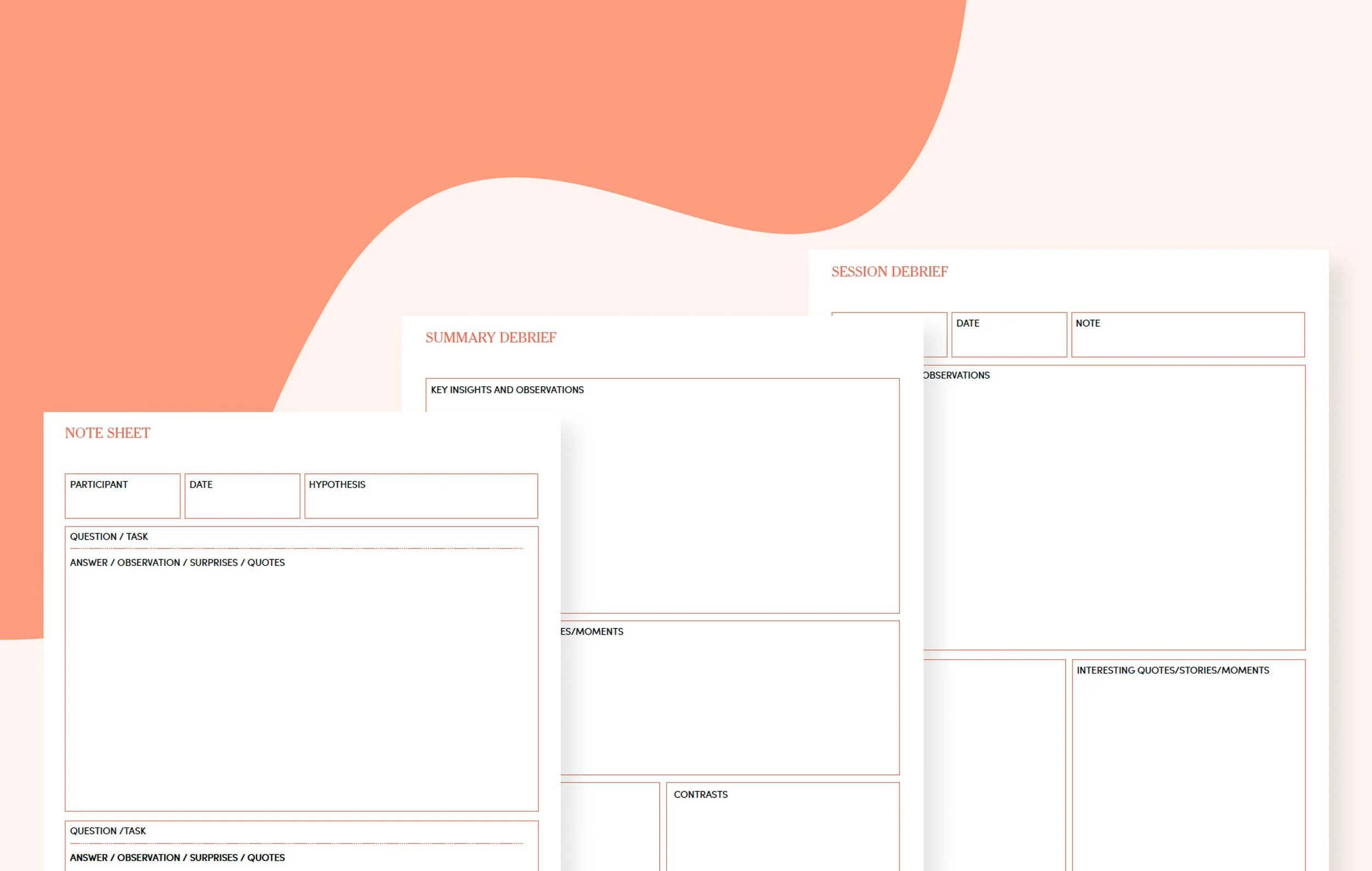
Qualitative generative testing at the beginning of a project helps generate lots of broad based ideas and concepts, directly from consumers, that can be refined at later stages. This document served as a guide to interview women who fit the profile of Hormona users who would shed a light on features, pain points and needs that competitors aren’t getting right, and where Hormona could enter into the picture. The focus of this stage of research was not to eliminate options, but rather expand our understanding of what Hormona could be, before we get too narrow with the product market fit.
When you hear the word "Femtech", what does that mean to you?
From 1-10, how confident are you that you can improve your hormone imbalance?
What has your experience been with using period tracking apps in the past? Do you use any other medical wellness app?
What kind of information would you expect to learn from tracking hormones?
What parts of your health and lifestyle do you think your hormones control?
From 1-10, how happy are you with your PMS experience?

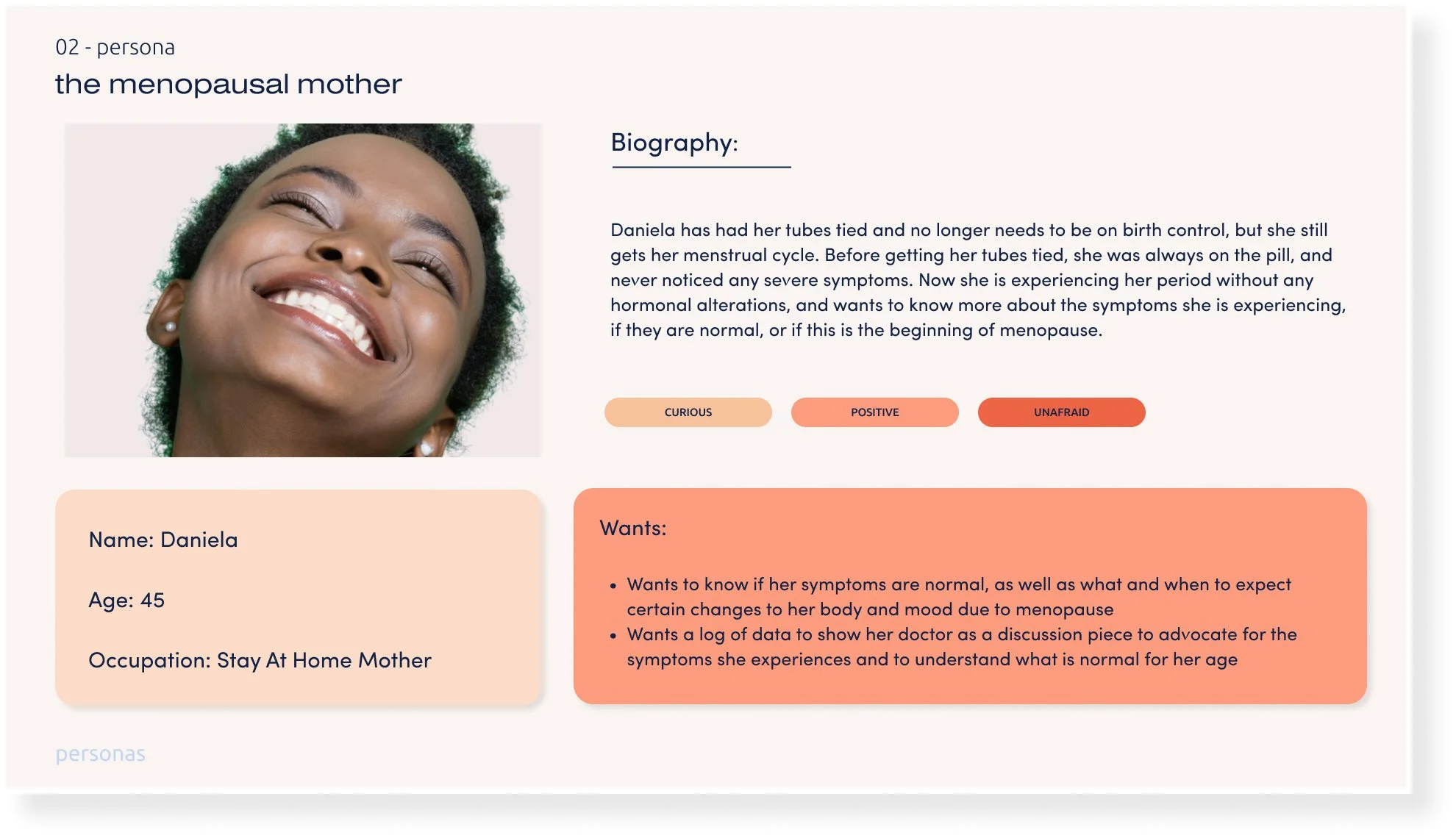
“I would like to gauge my symptoms with other women to understand if my symptoms are normal for me and to feel solidarity with others. It would make me feel like a part of a community.”

“I would love an equal balance of science-based advice as well as new-age holistic health tips. I’ve tried everything my doctor has advised me - I’m open to looking at other platforms for help now.”

“I want to understand how to keep my periods as healthy and happy as possible, and reduce the side effects of PMS. It would be amazing if the app told me what symptoms I could expect each day, and what I can do about it.”

Quantitative testing via “fake door model”
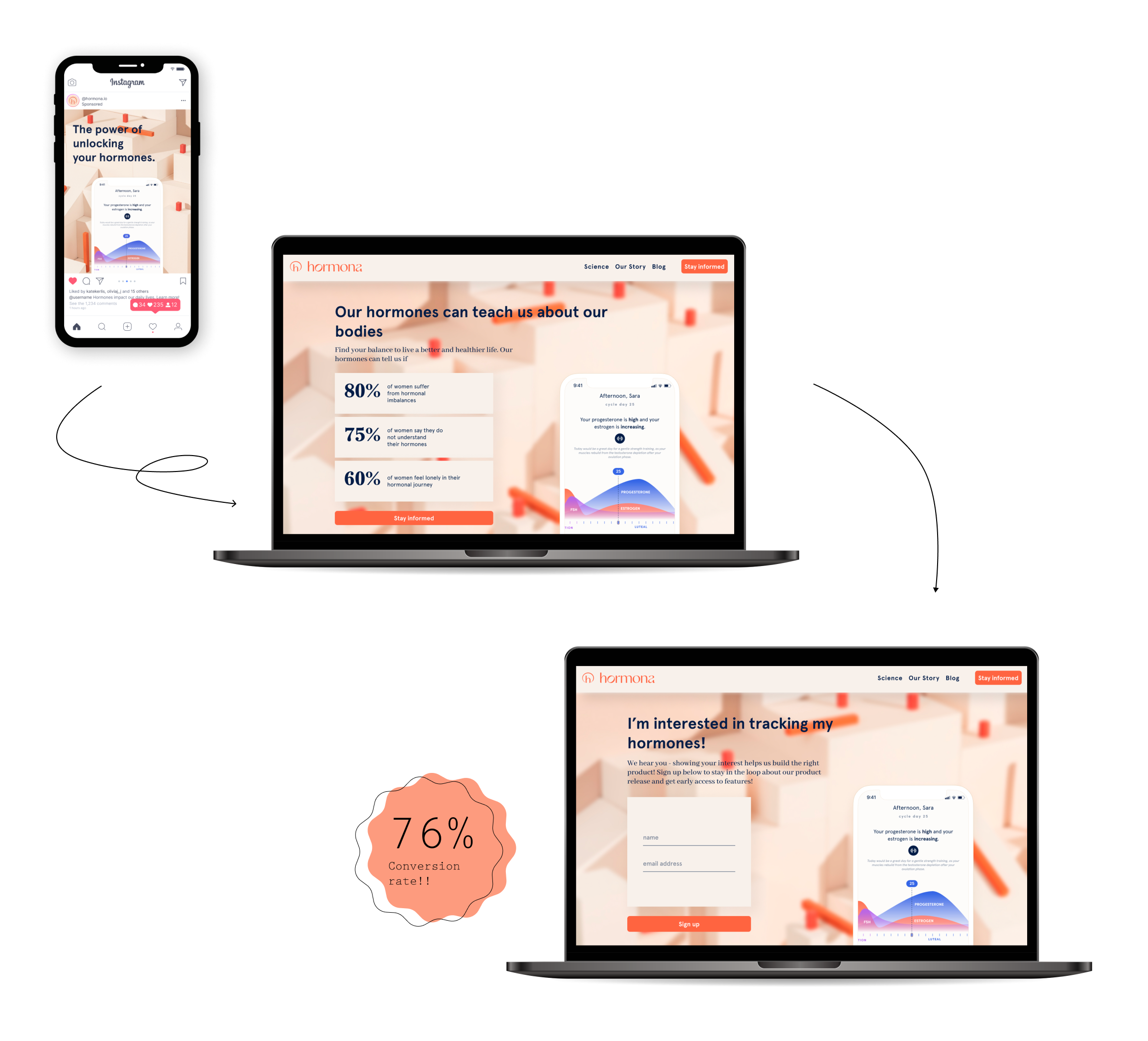
After listening to the feedback from women we interviewed, we needed statistically significant data to work with, to validate our assumptions about the app. We initiated a “fake door test” in order to gain data that would indicate if there was a high level interest in the product. To do so, I created a targeted ad via Instagram carousel that was promoted to women in the target Hormona demographic. It highlighted the features of an app that “unlocks hormone knowledge” through daily tracking of period & body symptoms. From the Instagram post, when clicked on, it would lead consumers to a landing page, that would encourage consumers to sign up to stay informed about the release of the app. This conversion from Instagram to the sign up would give us statistically significant indication about interest in such an app.
Brand definition
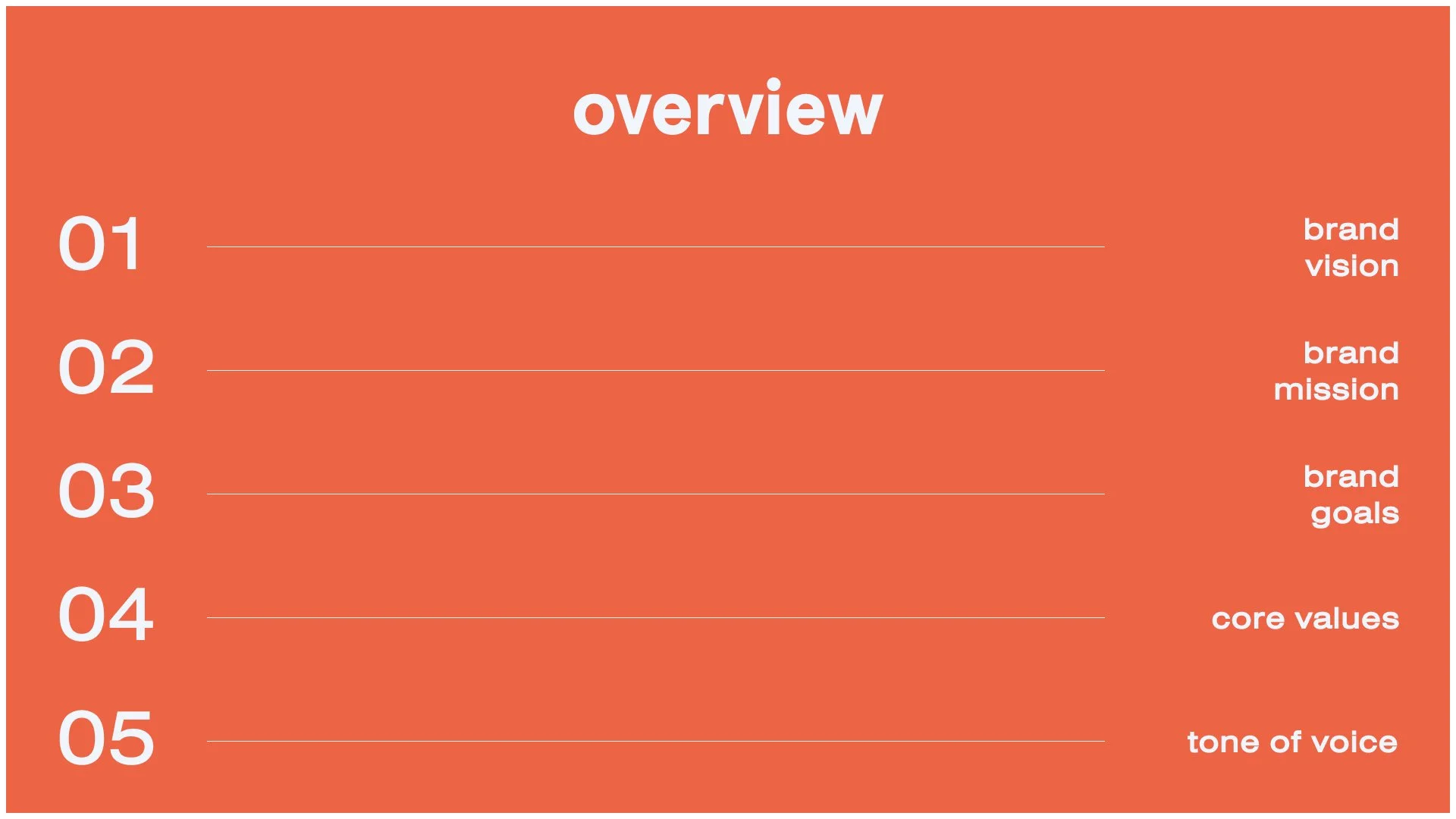
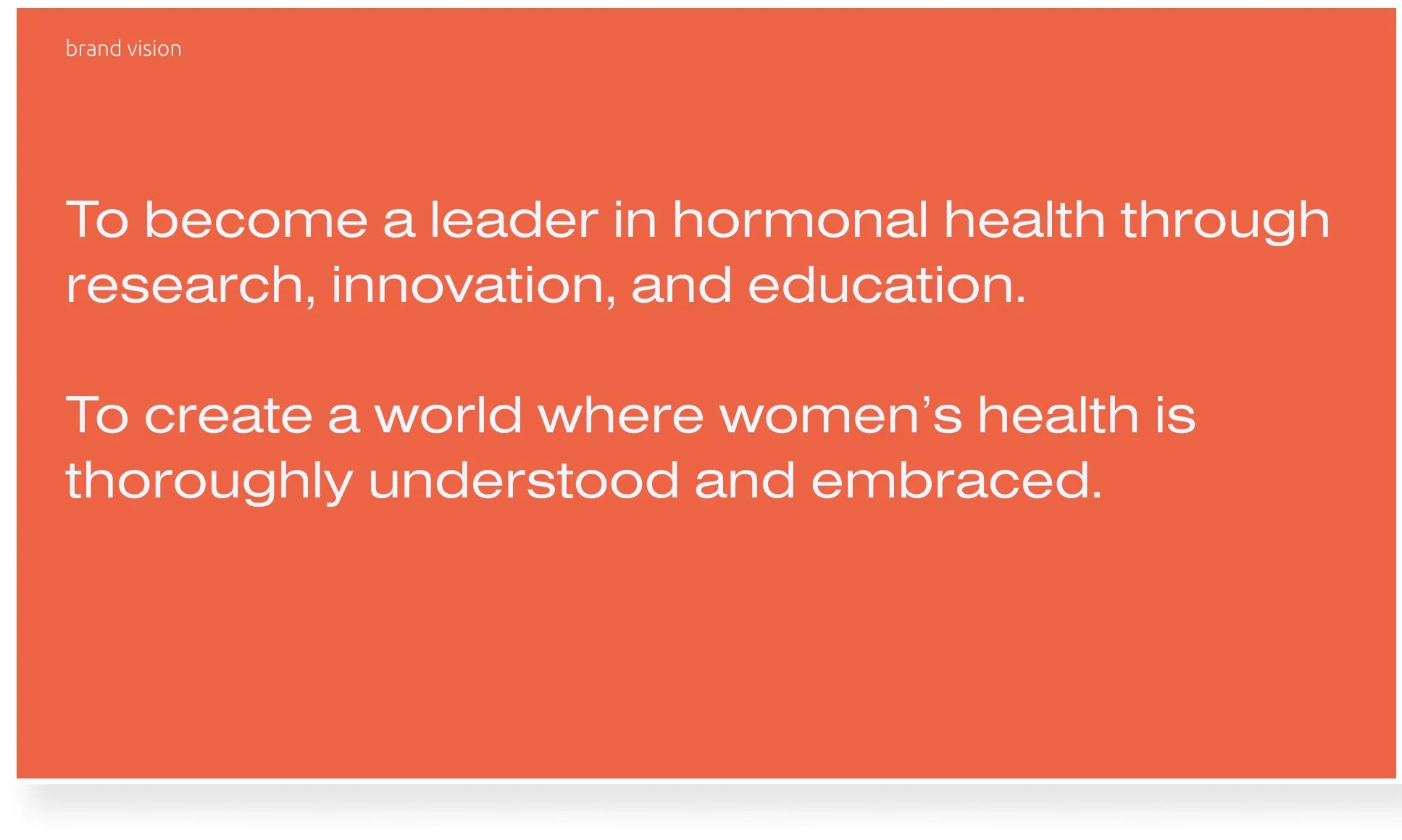
The next step of my involvement was to align all members of the Hormona team on Hormona’s holistic brand, through the vision, goals, core values, and tone of voice. This shaped the entire product - how we spoke about the brand, aimed to understand the target consumers, and selected the color palettes, textures, imagery, and decided on the overall art direction.

App customer journey
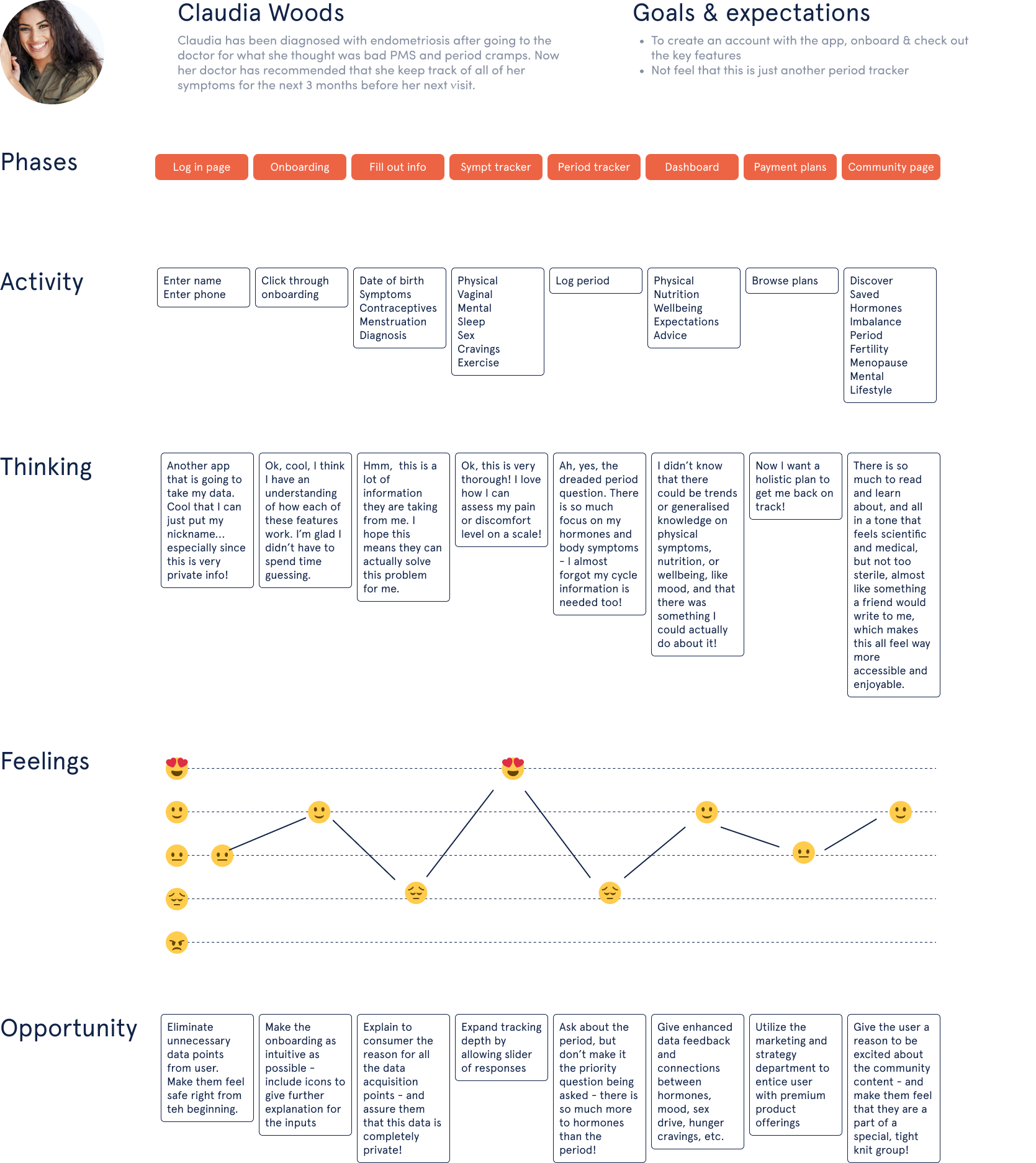
To define all touchpoints for the consumer experience and ensure that this “happy flow” could unfold with ease, we needed to fully comprehend the experience from a Hormona consumer’s perspective. Thus I mapped out the journey to design for all edge cases.
Information Architecture
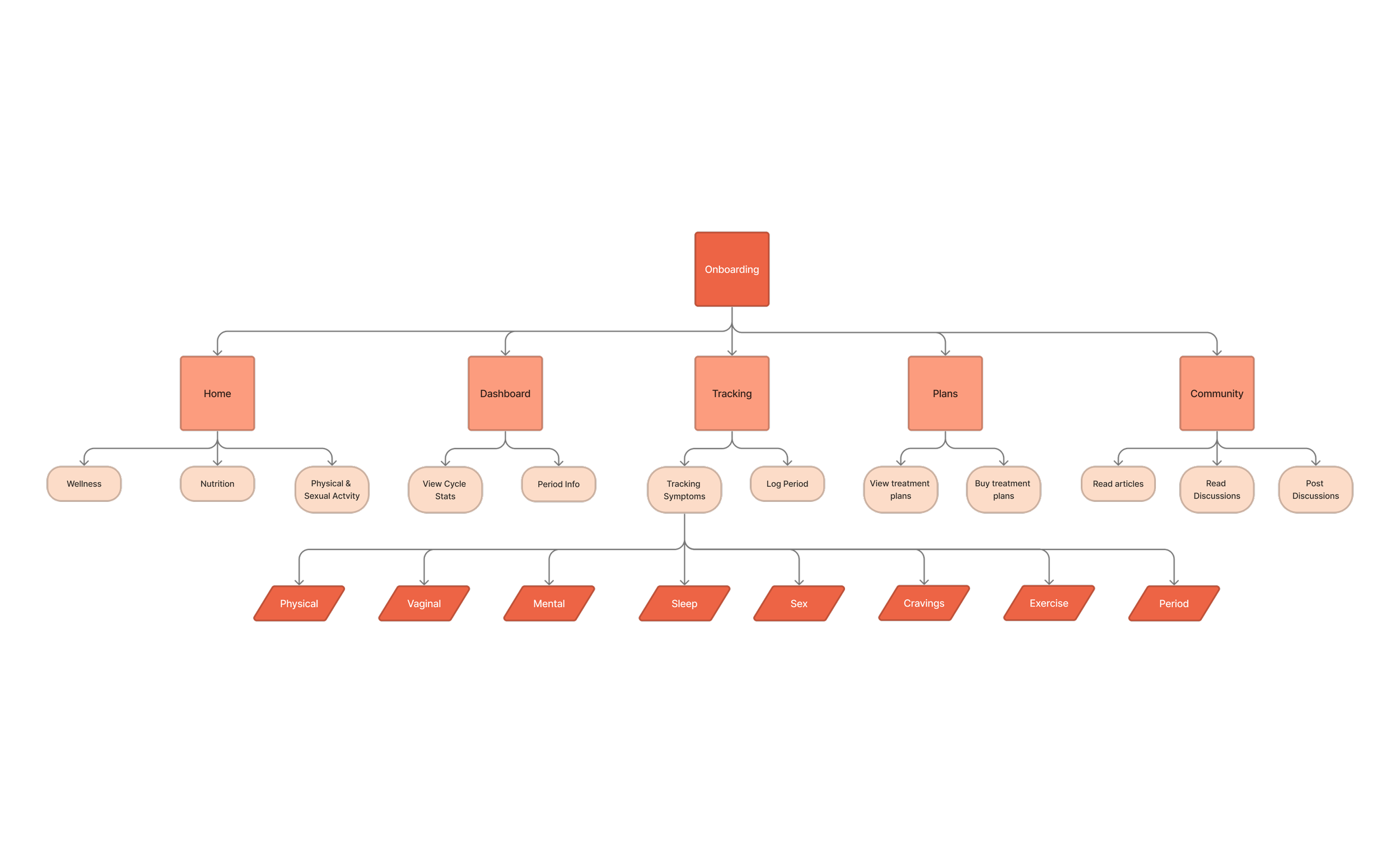
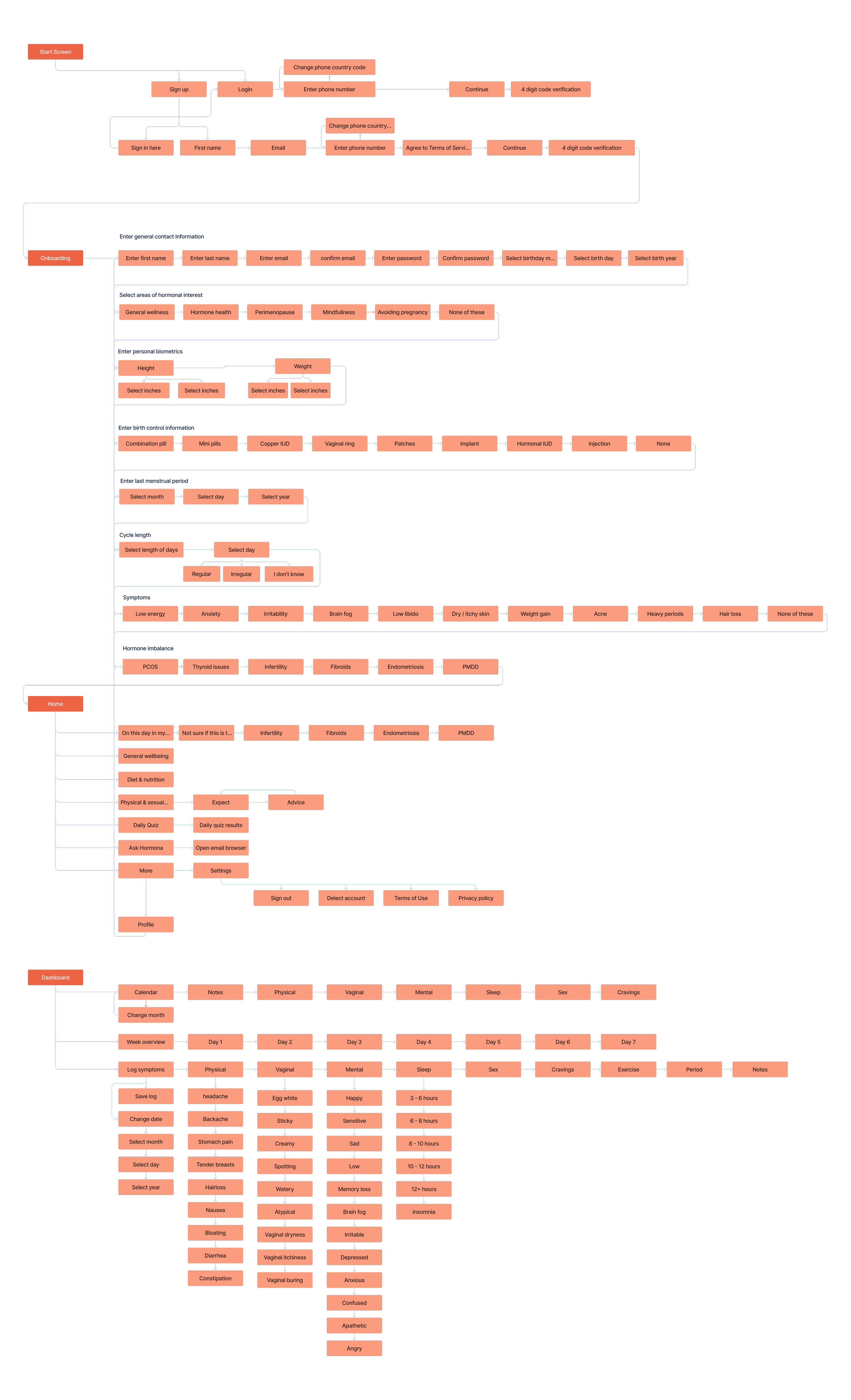
With the features defined, prioritized, and the specs articulated, the next step to bringing the Hormona app to life required creating an optimized and simplified organizational structure, that defined where consumers would expect to find information one might need, within the hierarchical order of navigation in the app.
User flow
After the information architecture was set, a more granular step-by-step user flow was prepared, as a guide for the developers, and product owners.
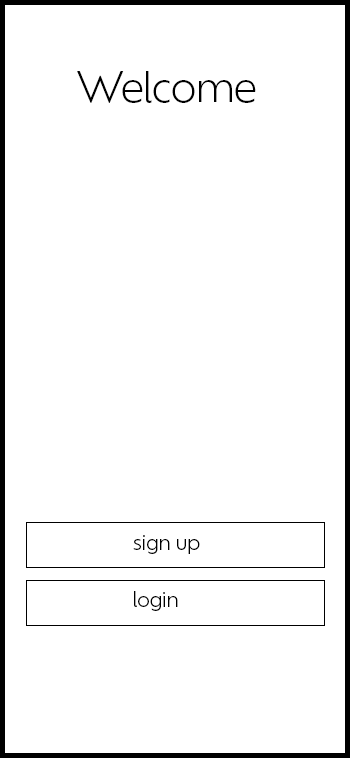
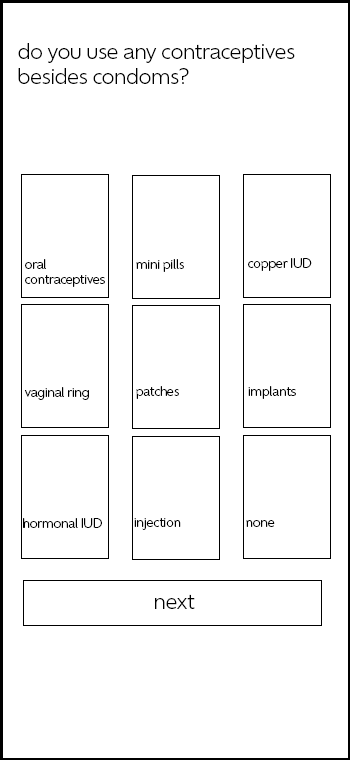
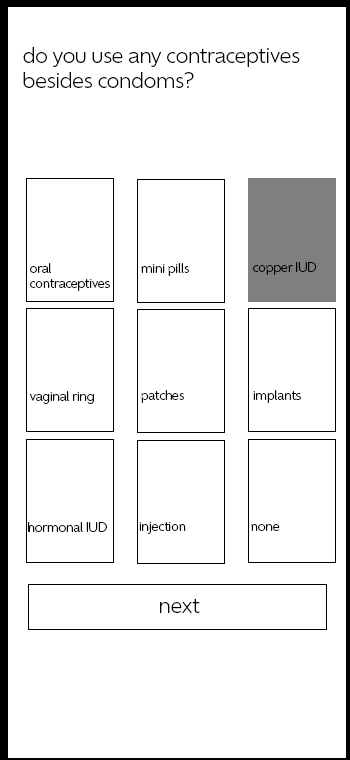
Wireframes

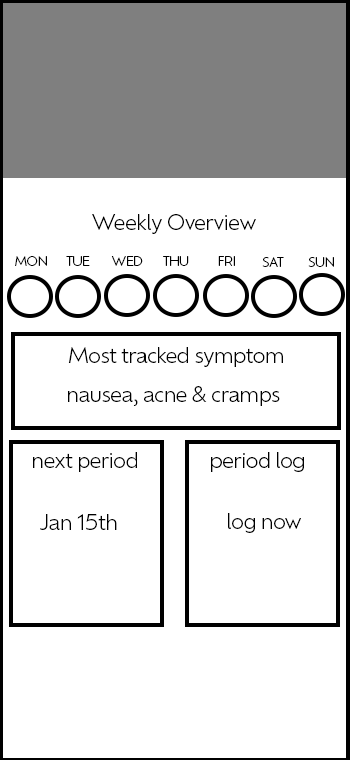
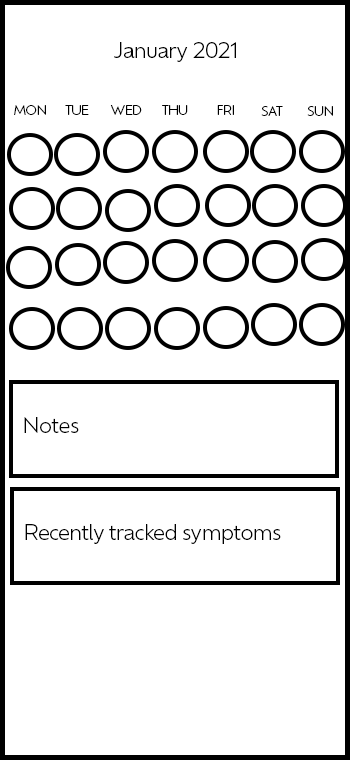
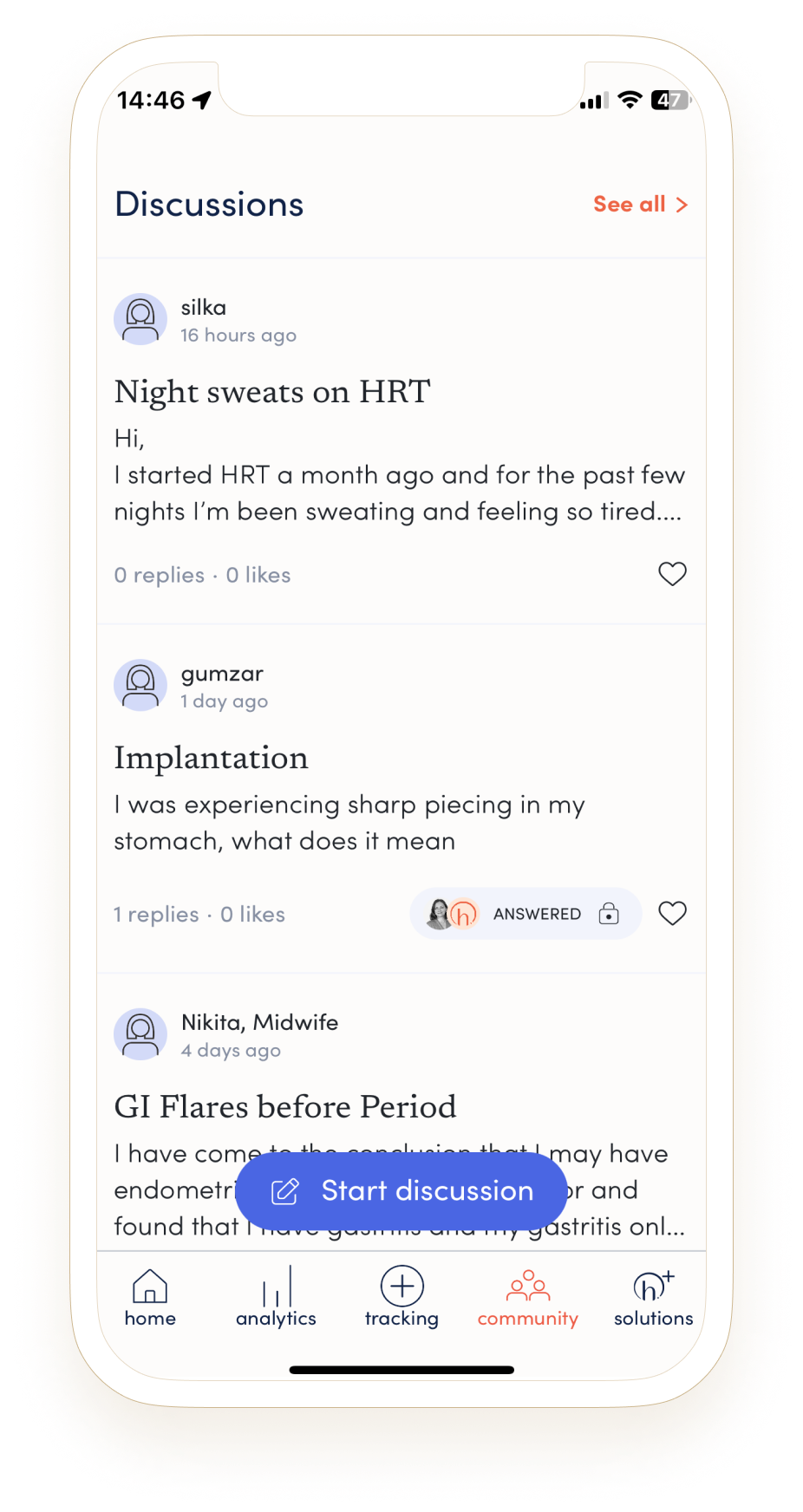
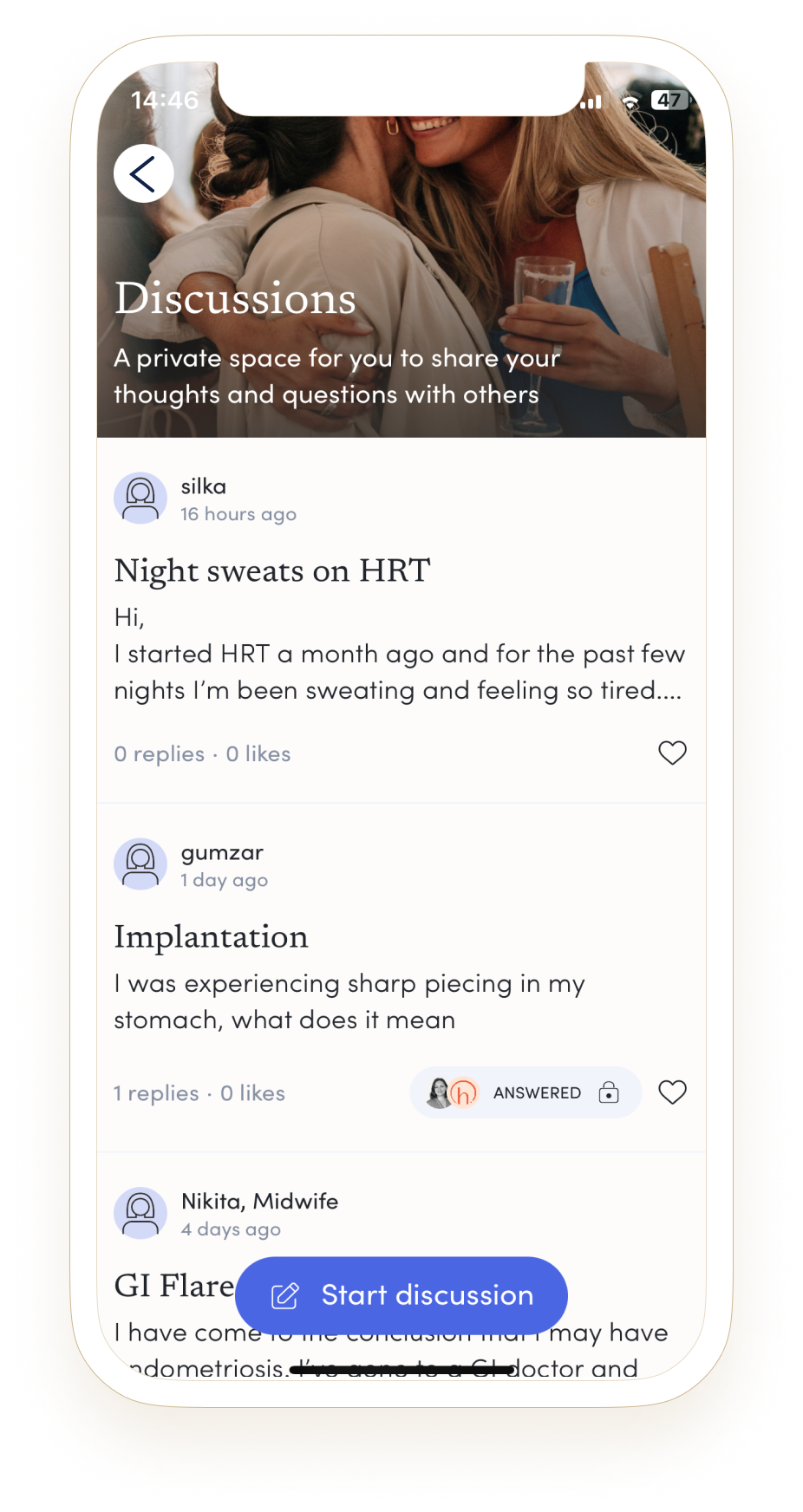
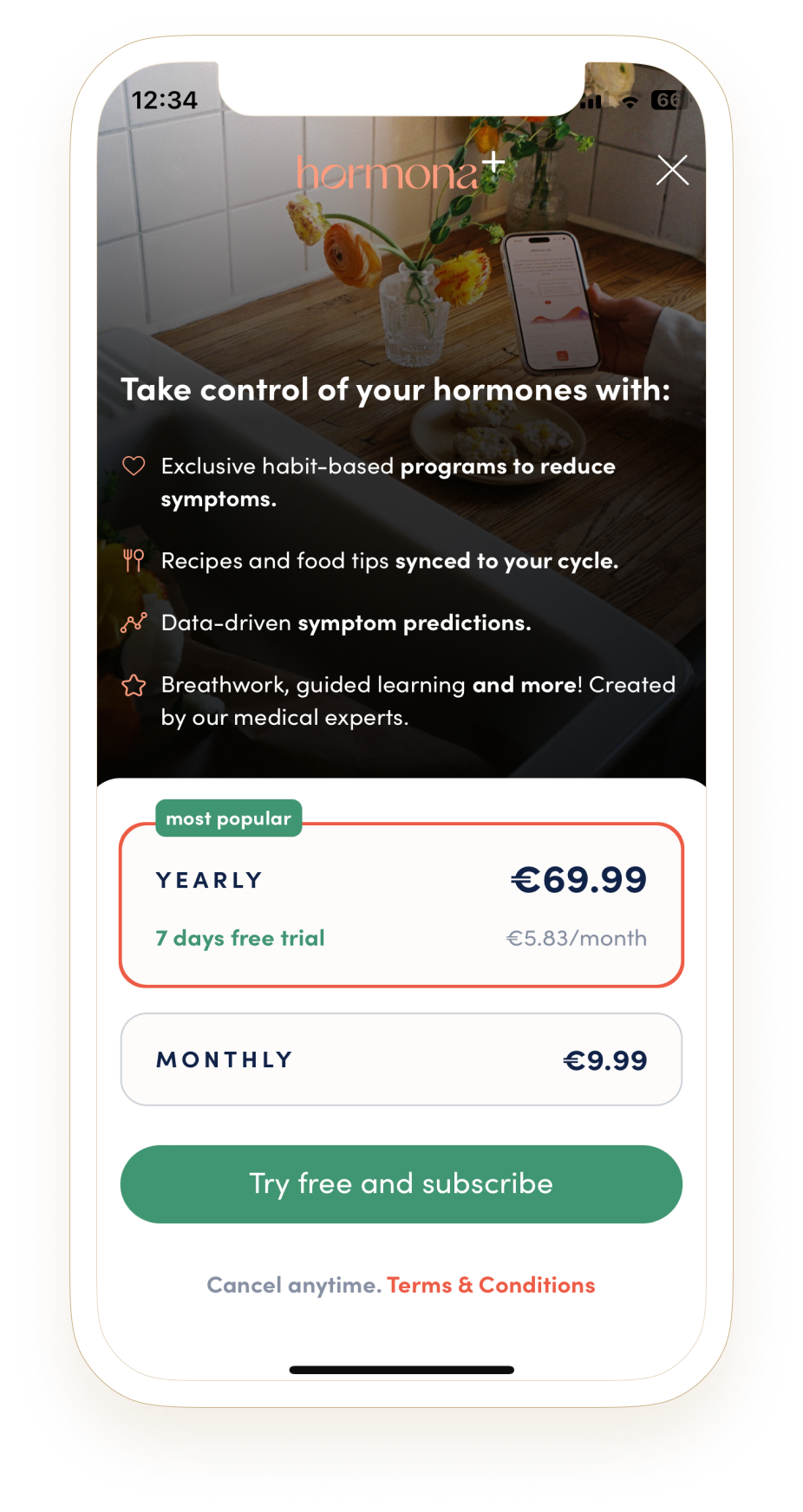
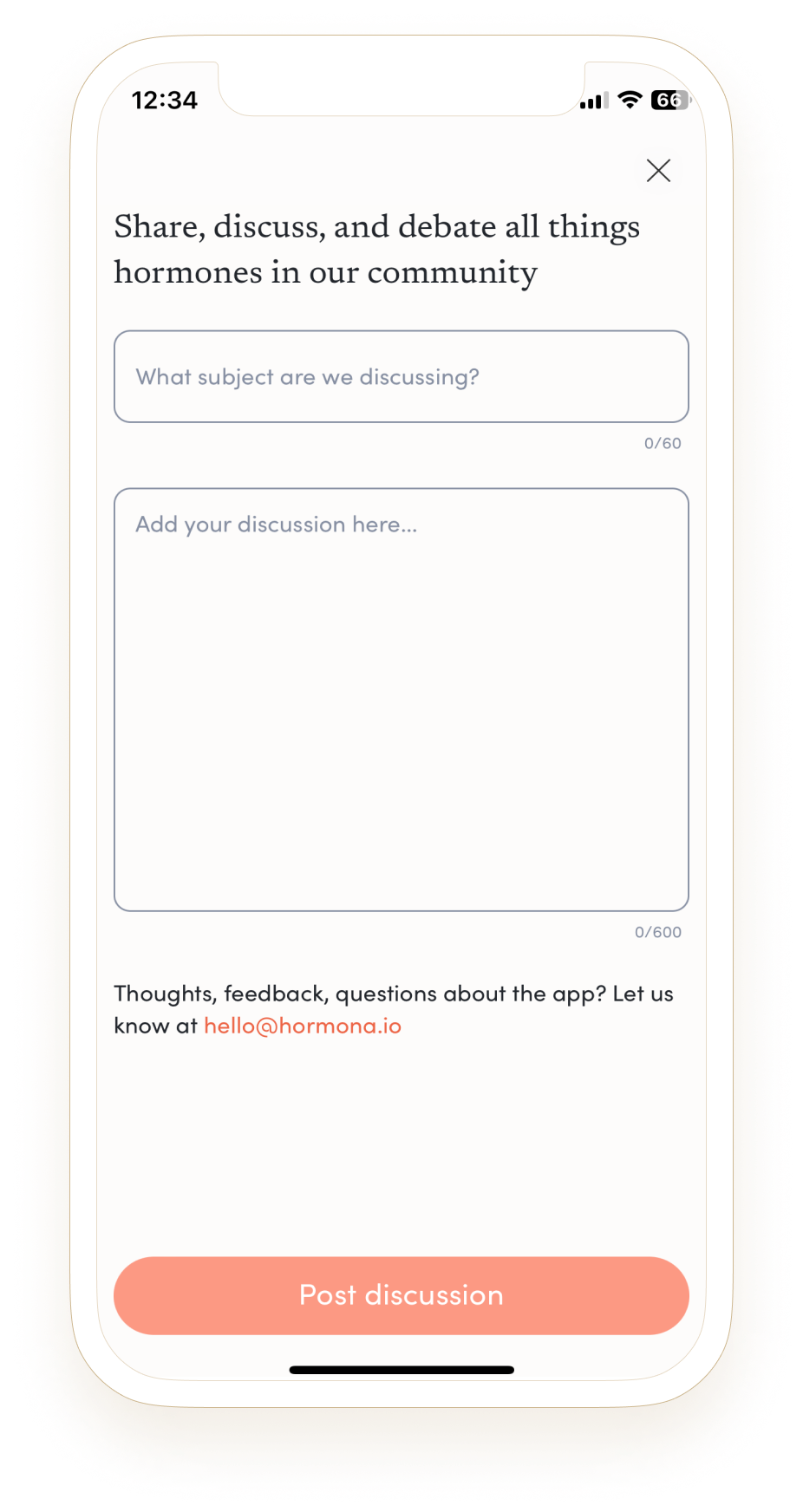
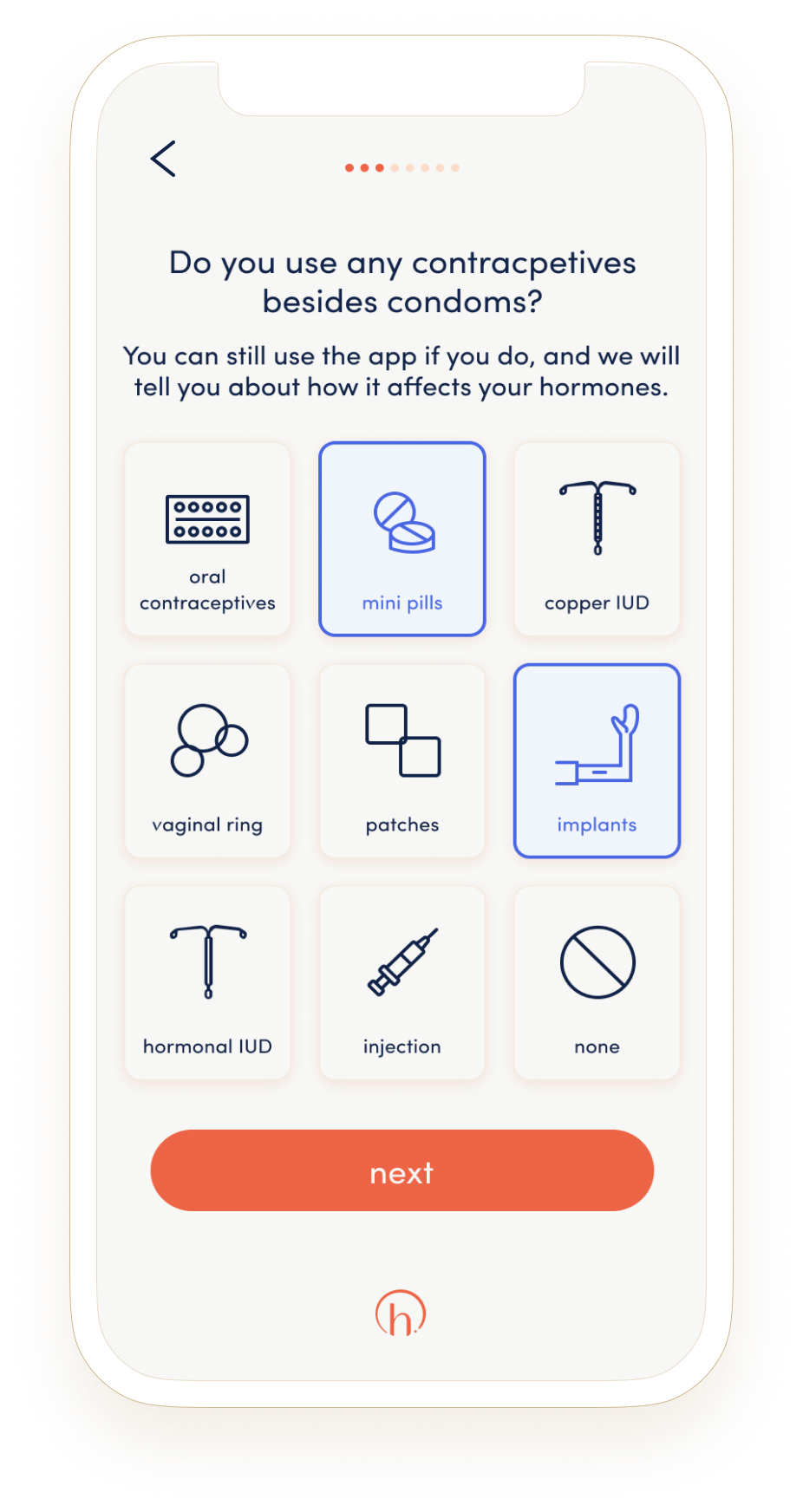
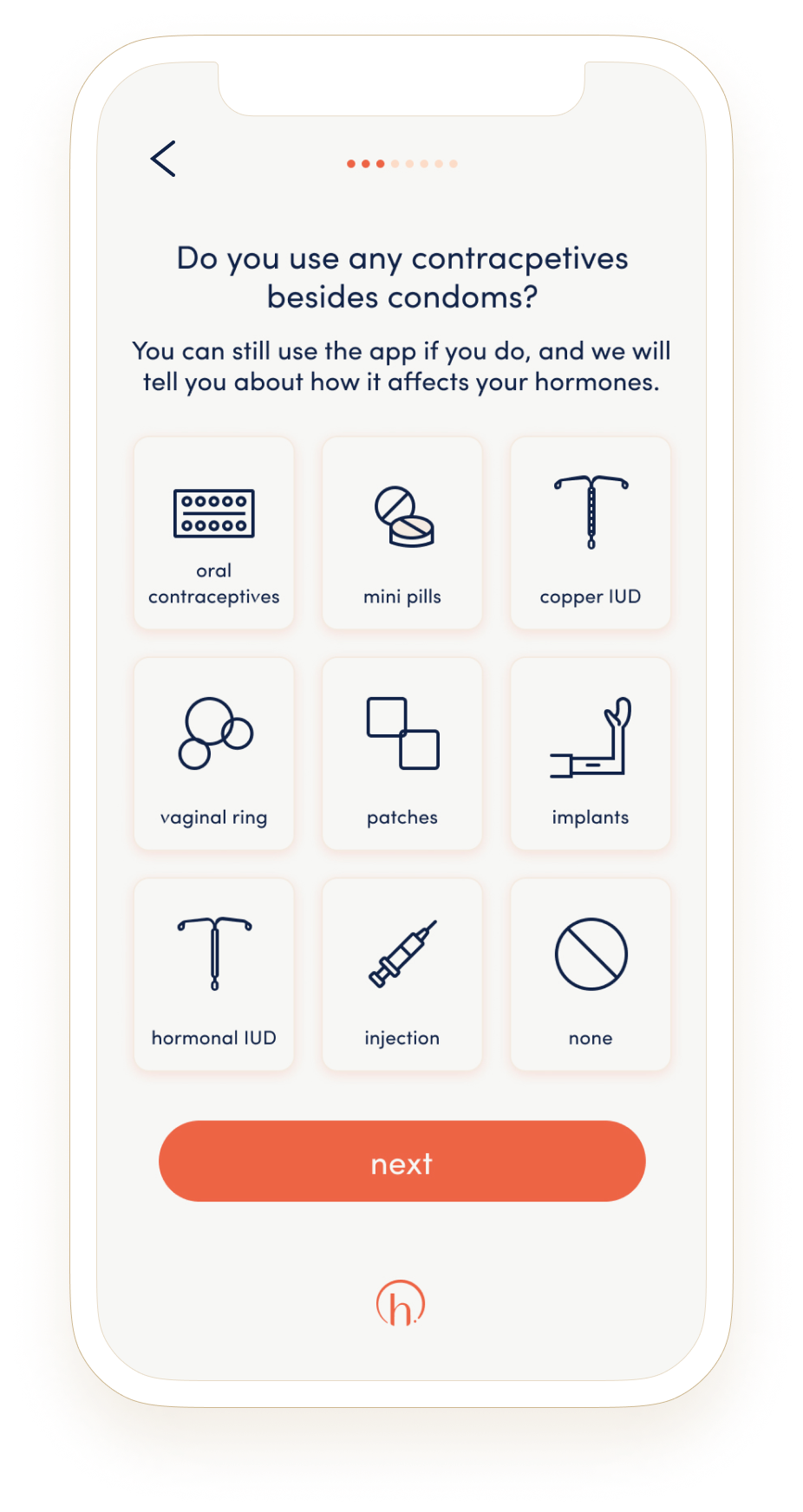
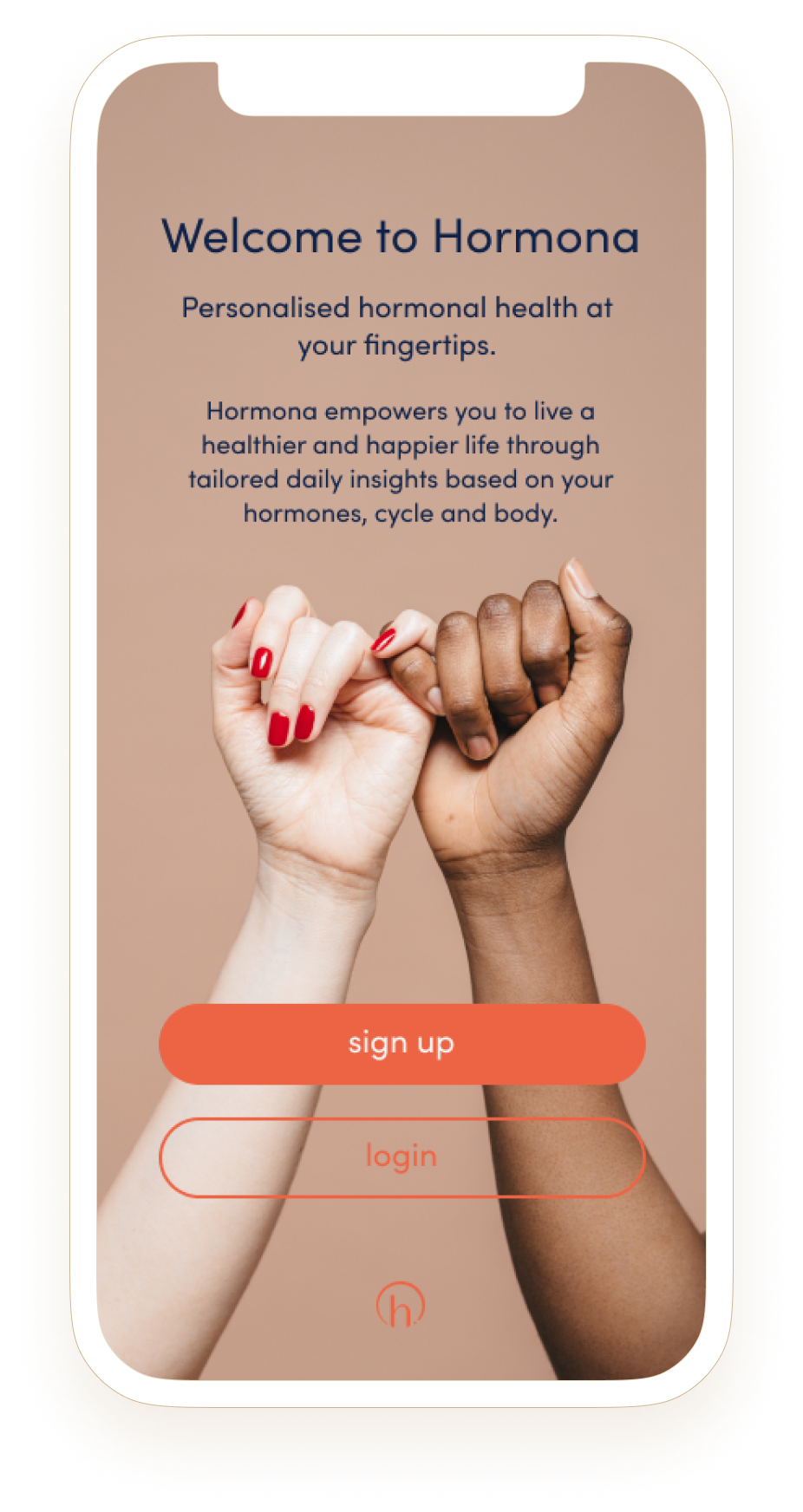
UI screen flow
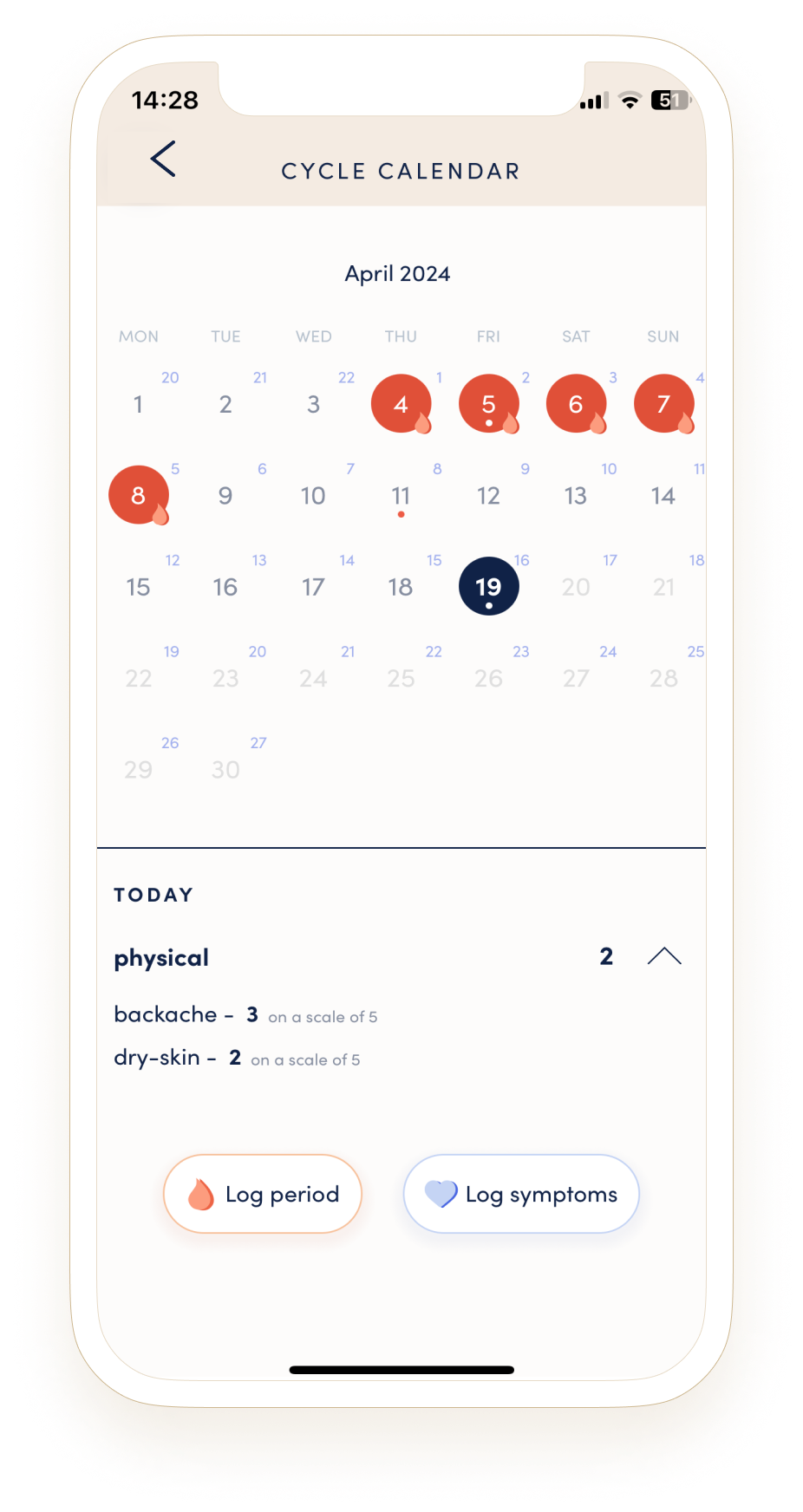
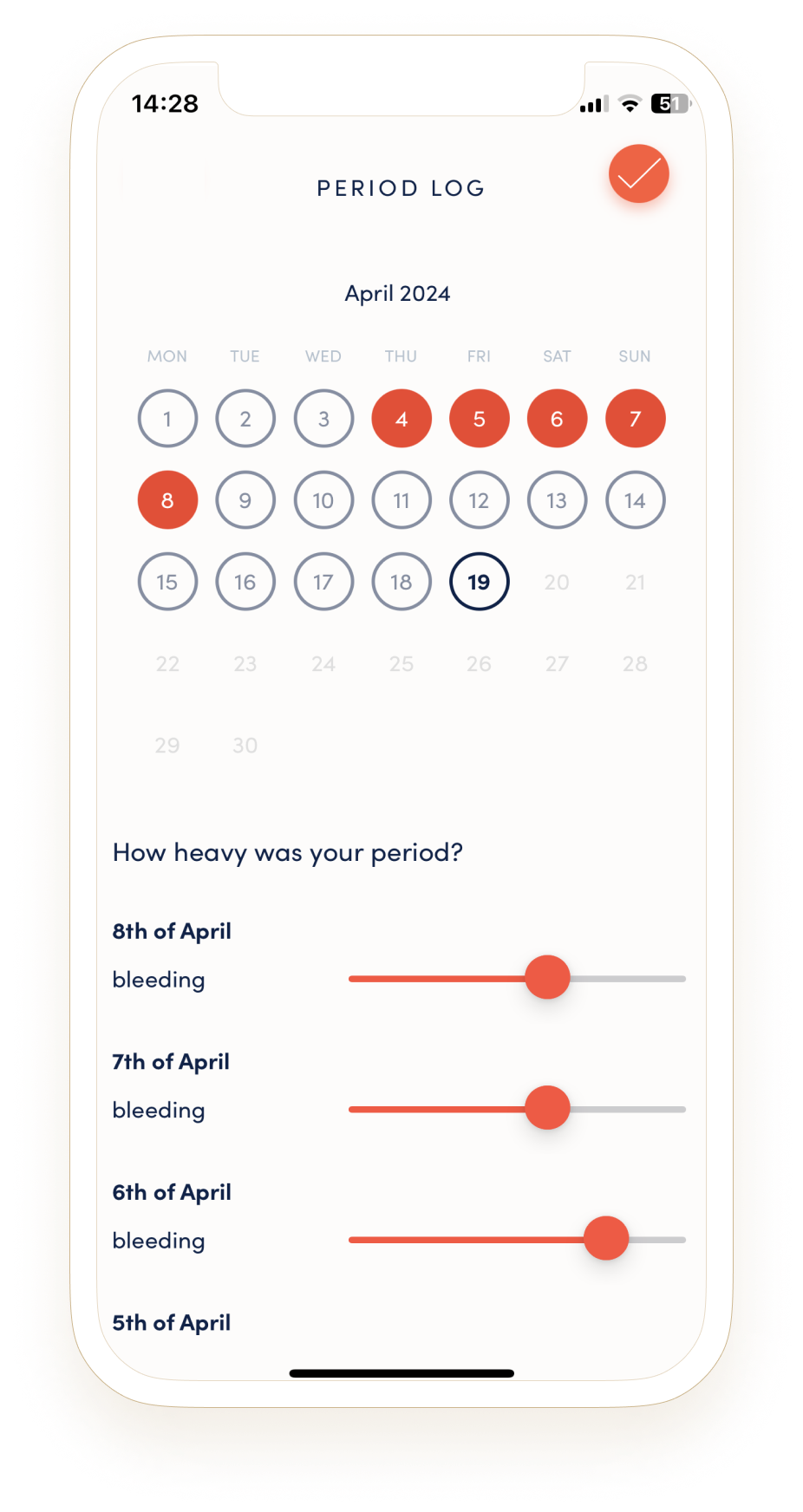

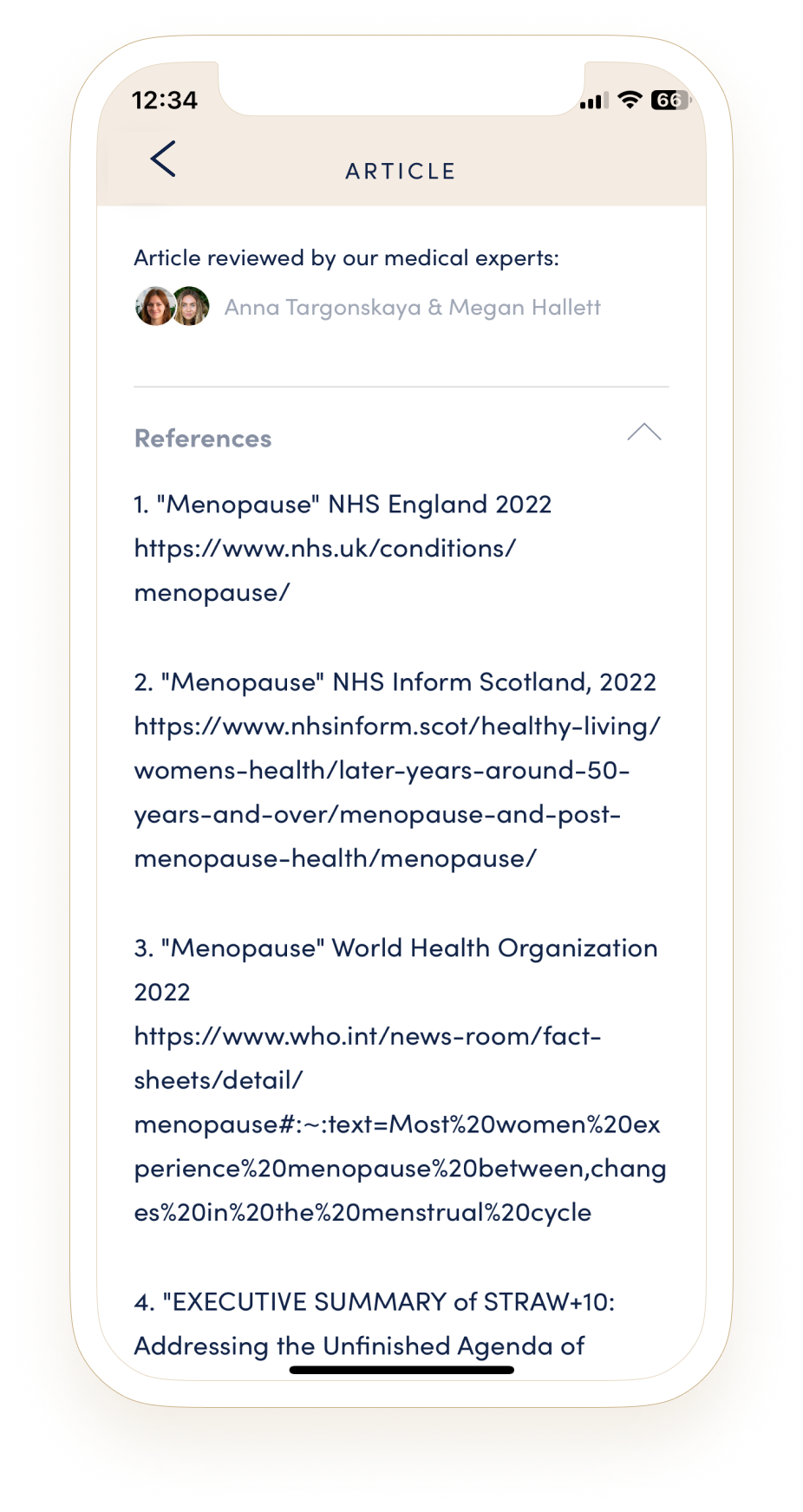
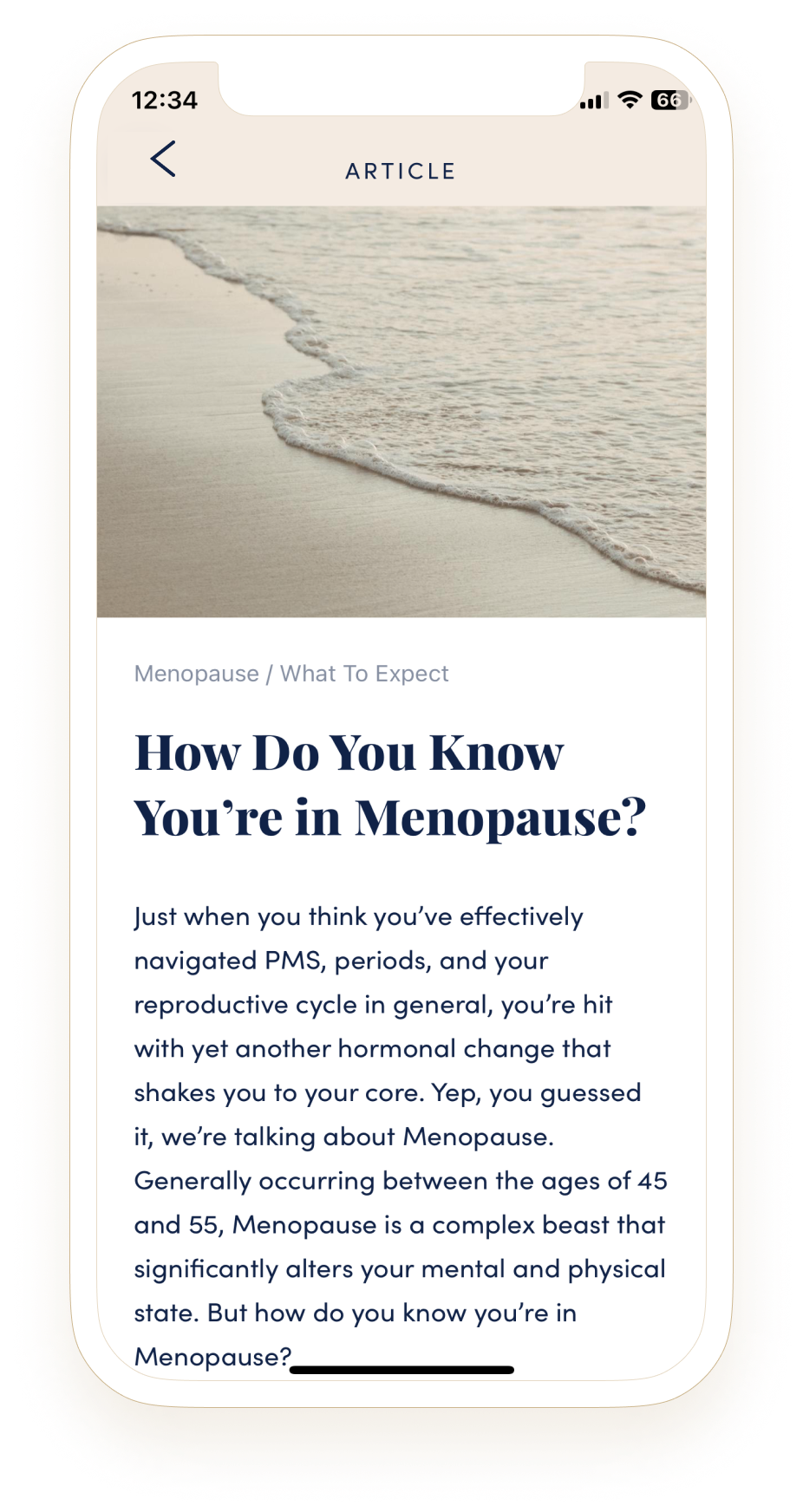
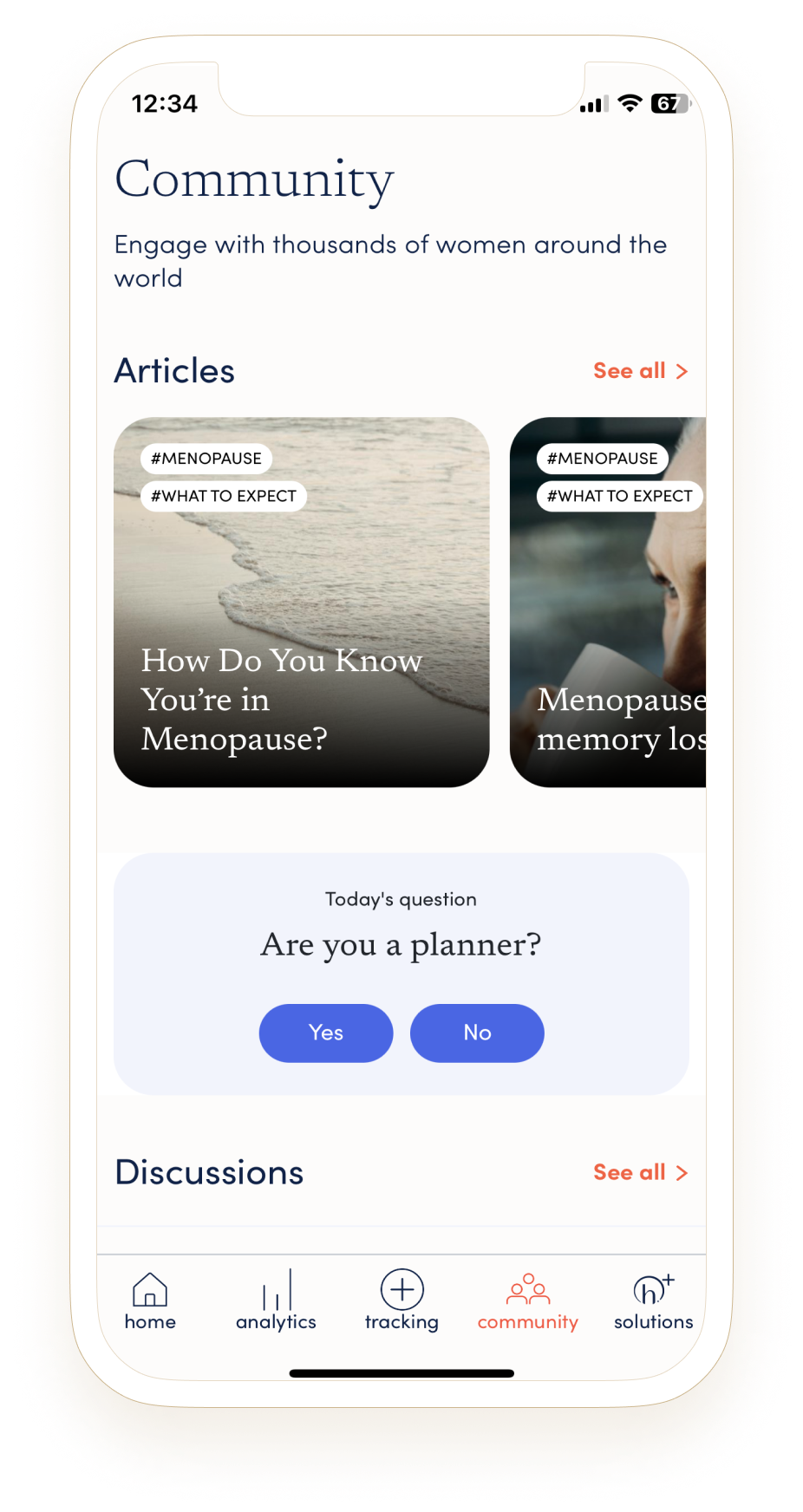
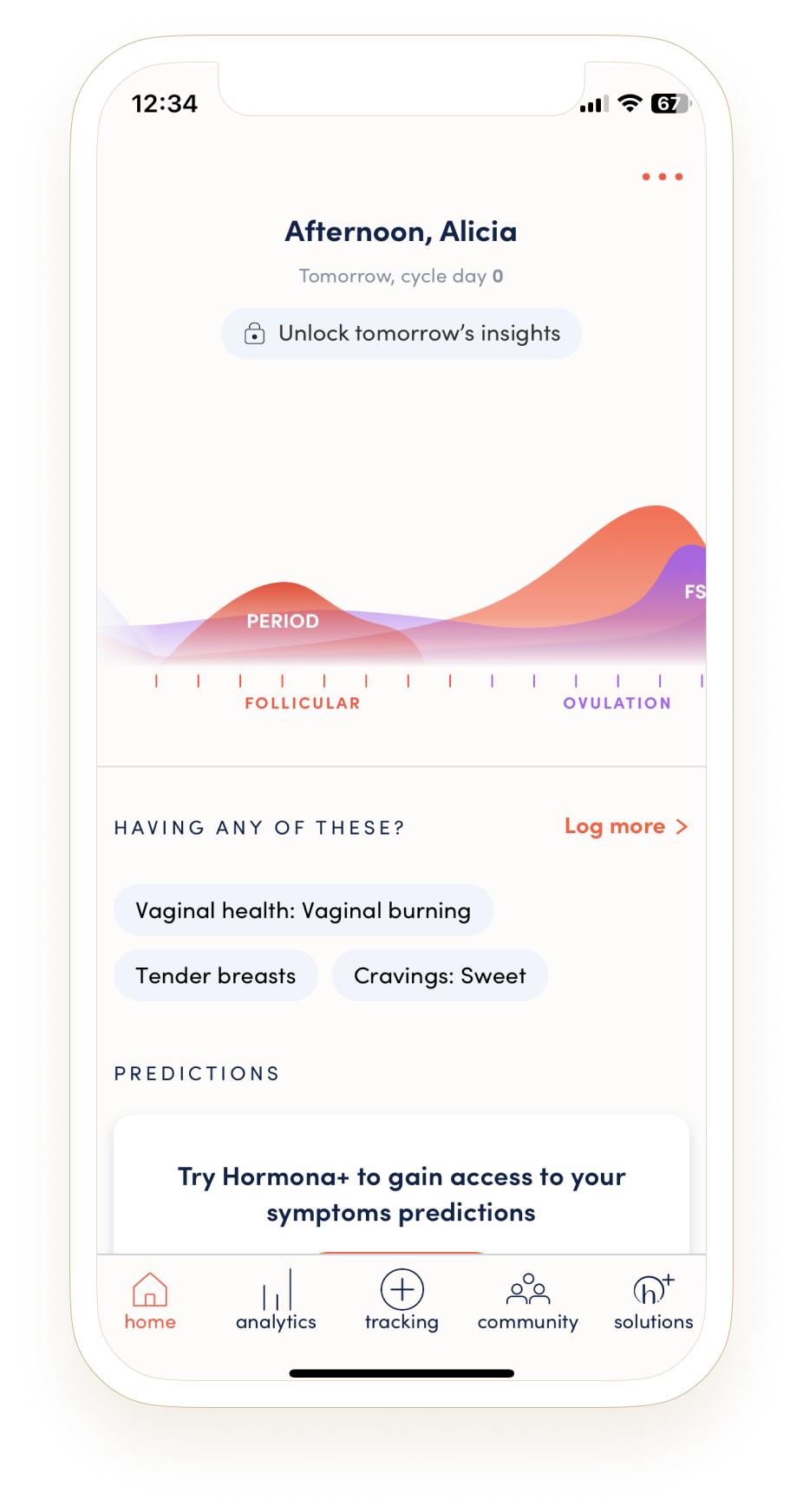
Evaluative research: Consumer quantitative & qualitative testing
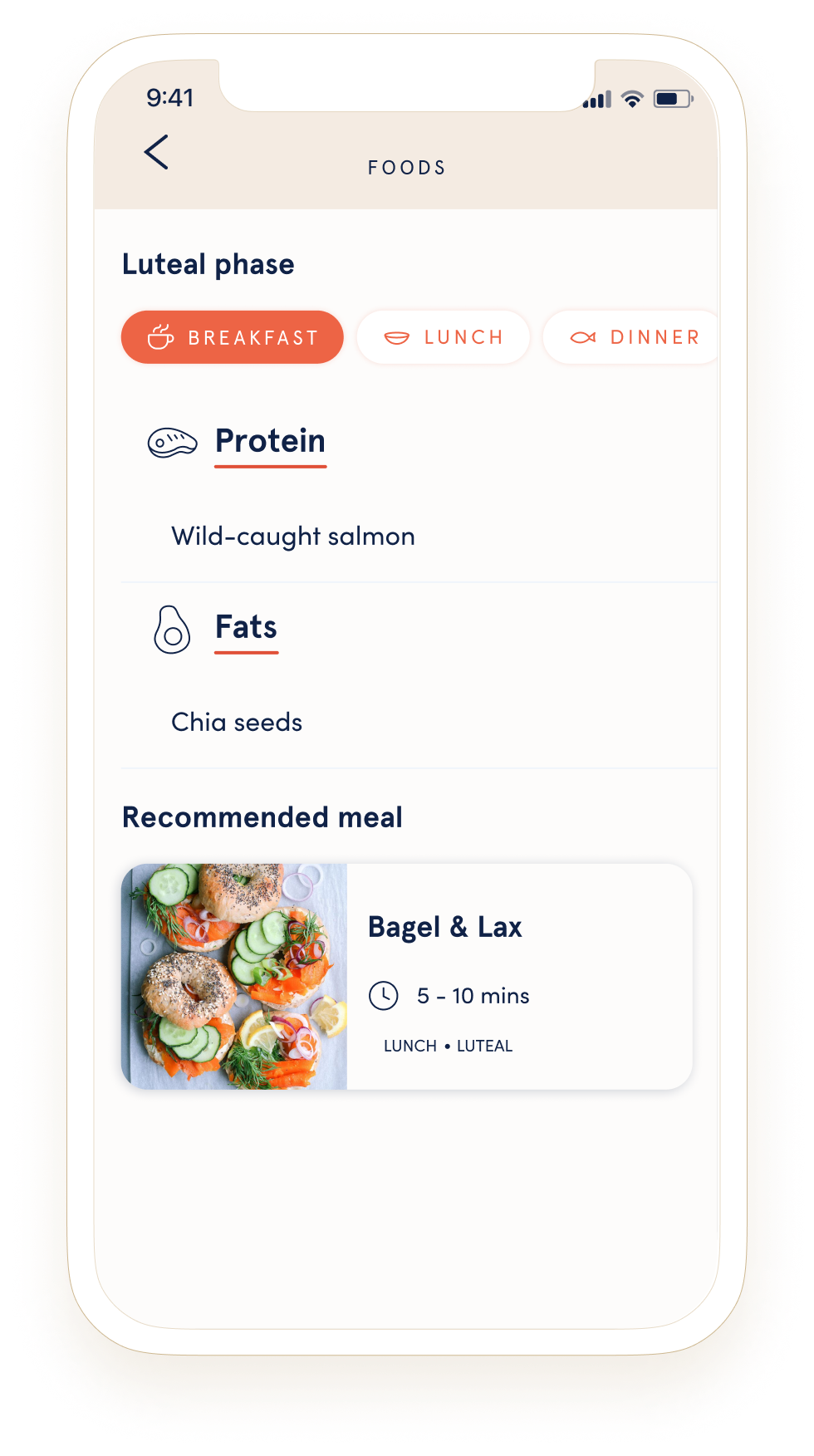
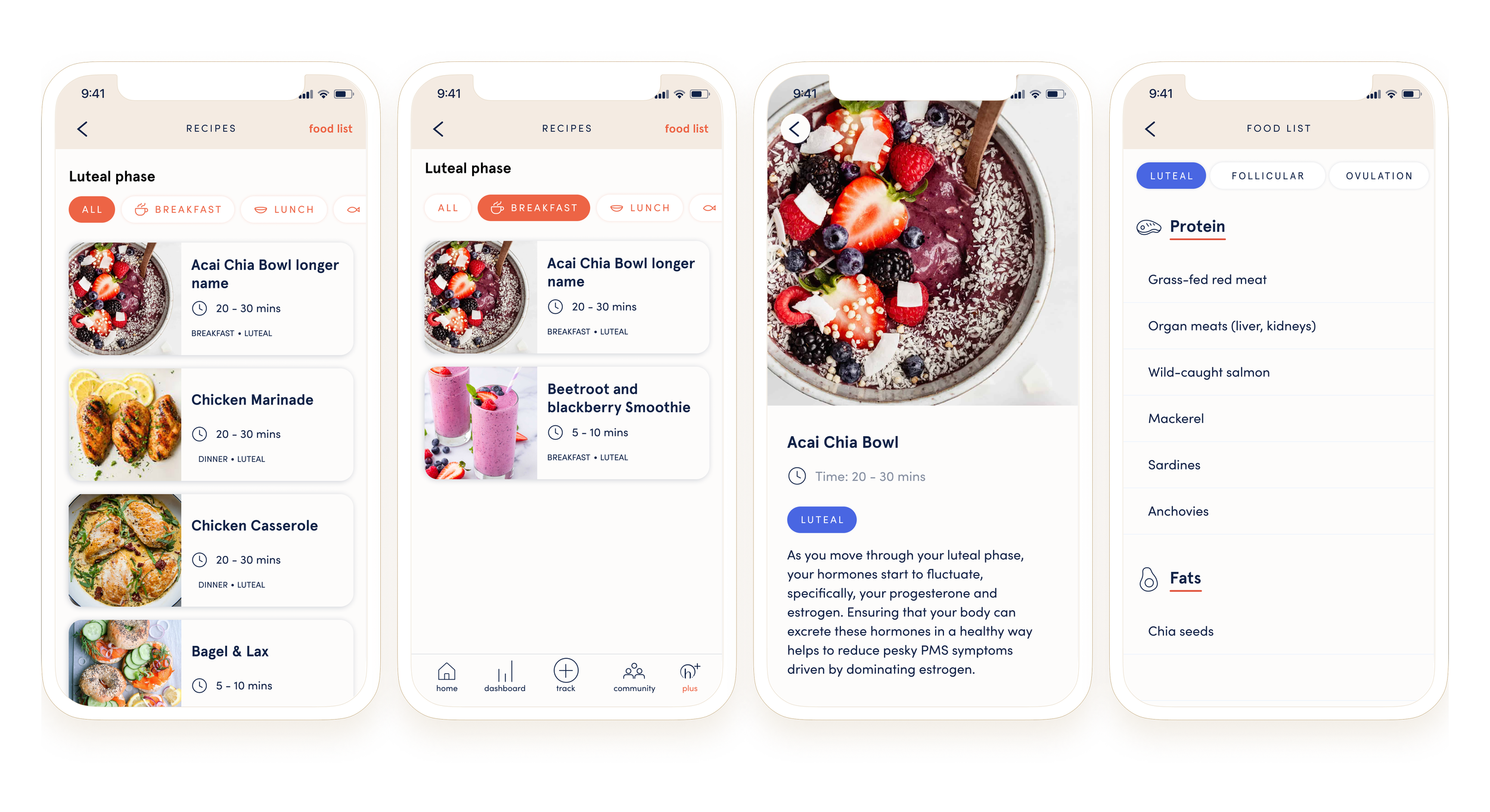
The key screens we wanted to test first were the offerings that we wanted to reserve exclusively for premium accounts. As it was paramount to show investors potential early revenue streams, we prioritized the development of the premium features, additionally as a way to gain intrigue from consumers. One of the early premium features we wanted to test, with minimal content development resources, were recipes & recommended unique foods to eat depending on the position within the menstrual cycle. I put together these screens, and interviewed 5 super users for quick qualitative feedback.
Qualitative Research
10 User Interviews
2. Iteration
Ideate new design solutions according to user feedback
3. Redesign
Enhanced designs to offer improvements for consumers
4. Quantitative Research
Maze User Testing & UserTesting.com
5. Expected Outcome
New design analysed against old via quantitative & qualitative research
Qualitative Insights

Insight #1: “Getting food recommendations during the stages of my cycle is very helpful; I often feels bloated during my period, so if food recommendations could cure this, this would solve a major problem for me!”

Insight #2: “The recipes would be helpful to spark inspiration, but I never follow recipes according to the exact details.”

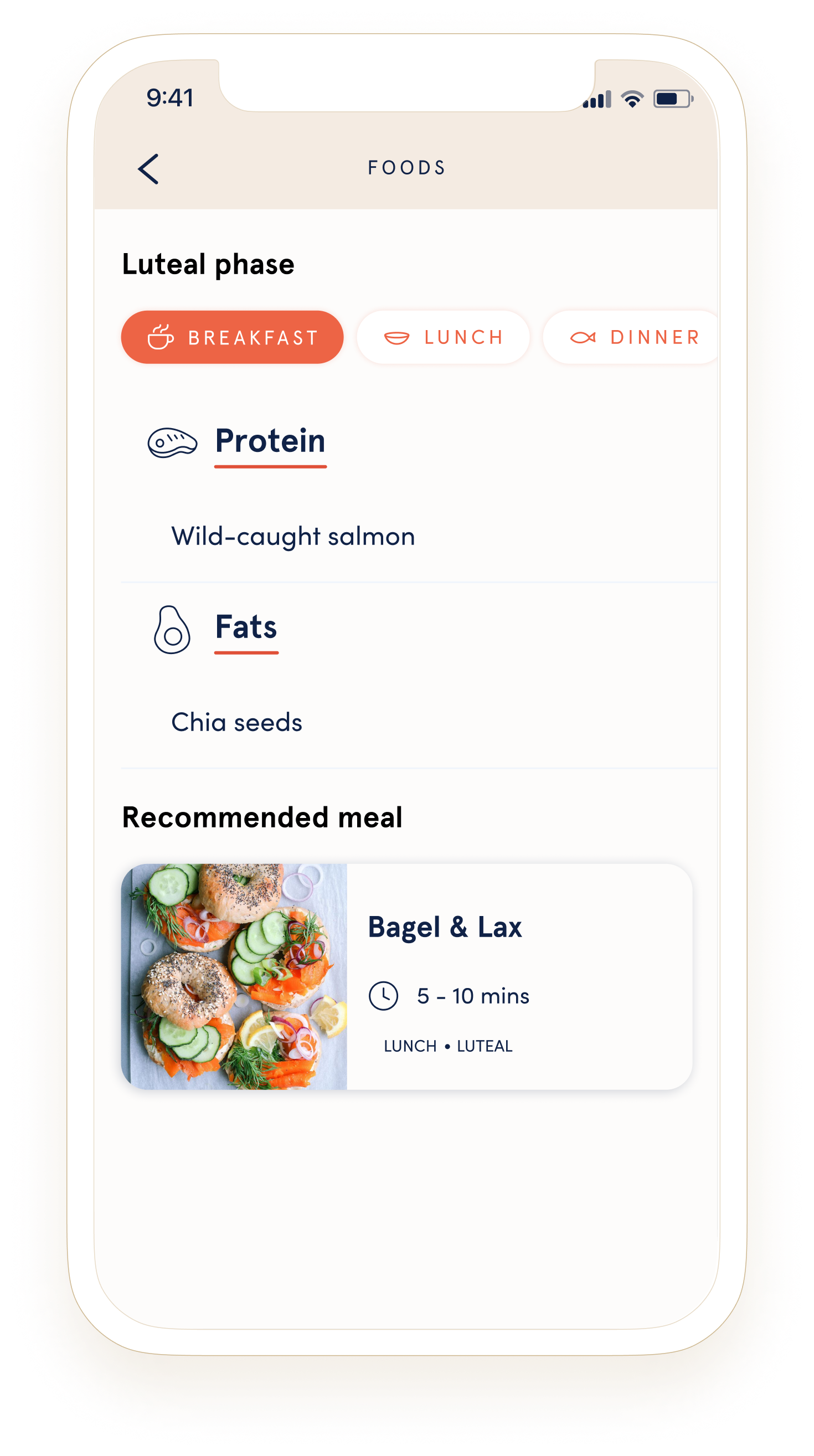
Insight #3: “Having a daily plan of foods to follow would be very intriguing - it is specific in what foods are helpful for the respective state of my cycle, but isn’t too constraining about what to cook!”
New proposed solution after interviews:
Quantitative Insights

Result
The result of this 6 month project, from conception to QA design handover, by the end of 2021, the Hormona app won 1st place at the Slush 100 pitch in Helsinki, Finland. After making headlines at the event, the app and founders were picked up by a Y-Combinator in Los Angeles and written about in Vogue Scandinavia, to name just a few of the company’s successes. The focus from 2022 and moving forward was to release premium features on a subscription level basis, which is where we focused the follow up user testing. The app is continuing to be developed with new features and content being added daily.
Reflection
Hormona was a dream project to take on. I got the chance to build the entire product strategy and design of an app I really belive in. I am passionate about creating transparency in women’s health, and using the data we have available on our bodies’ and tracked habits to analyse insights on hormone level fluxuations and how that impacts symptom predictions. Shoot me an email to speak more about this project! :)